




NATURAL STONE PROJECTS
Explore our completed natural stone applications

Process & Production
Eskişehir, Turkey
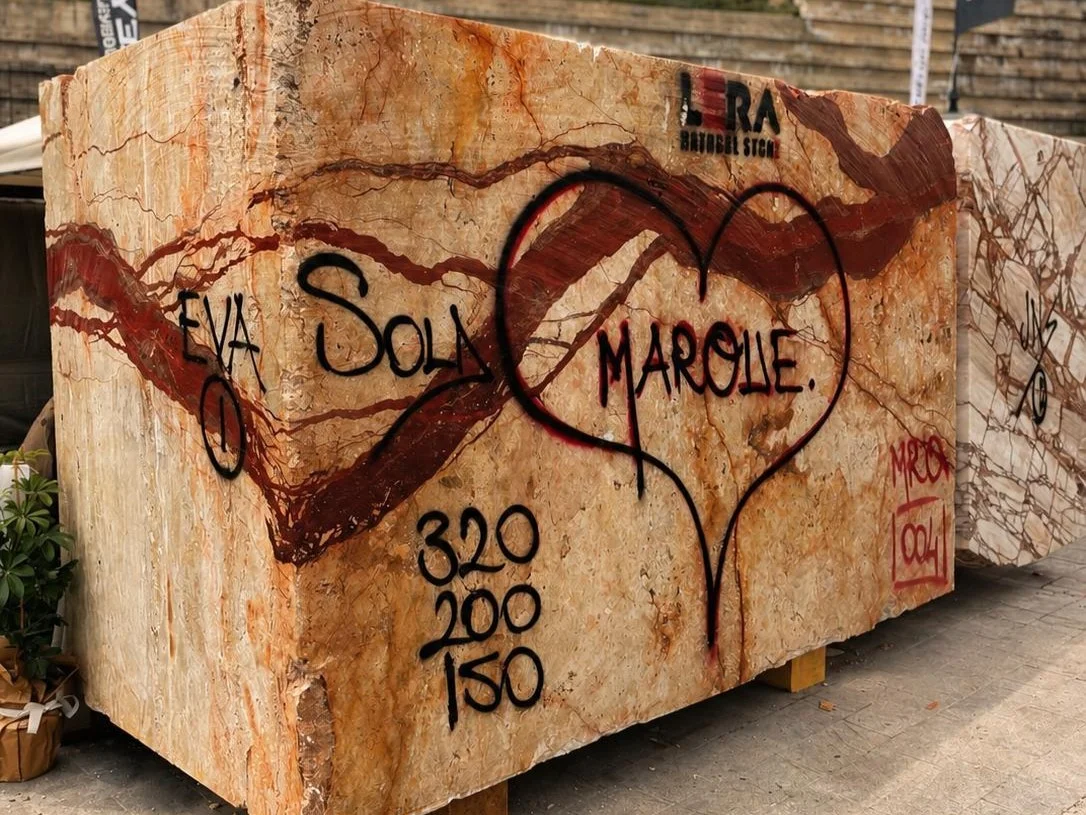
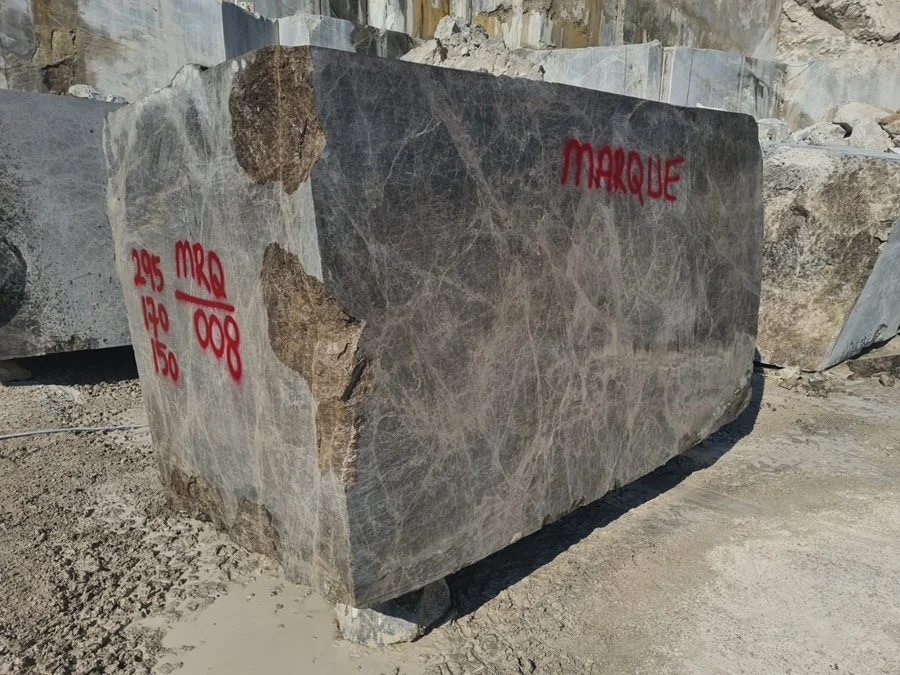
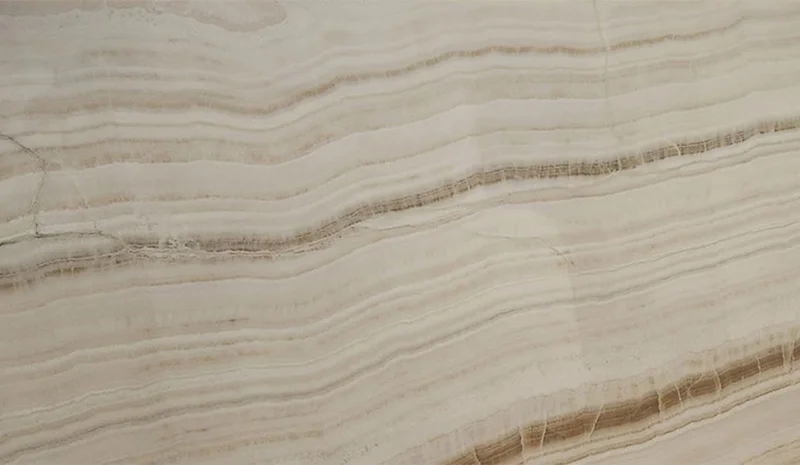
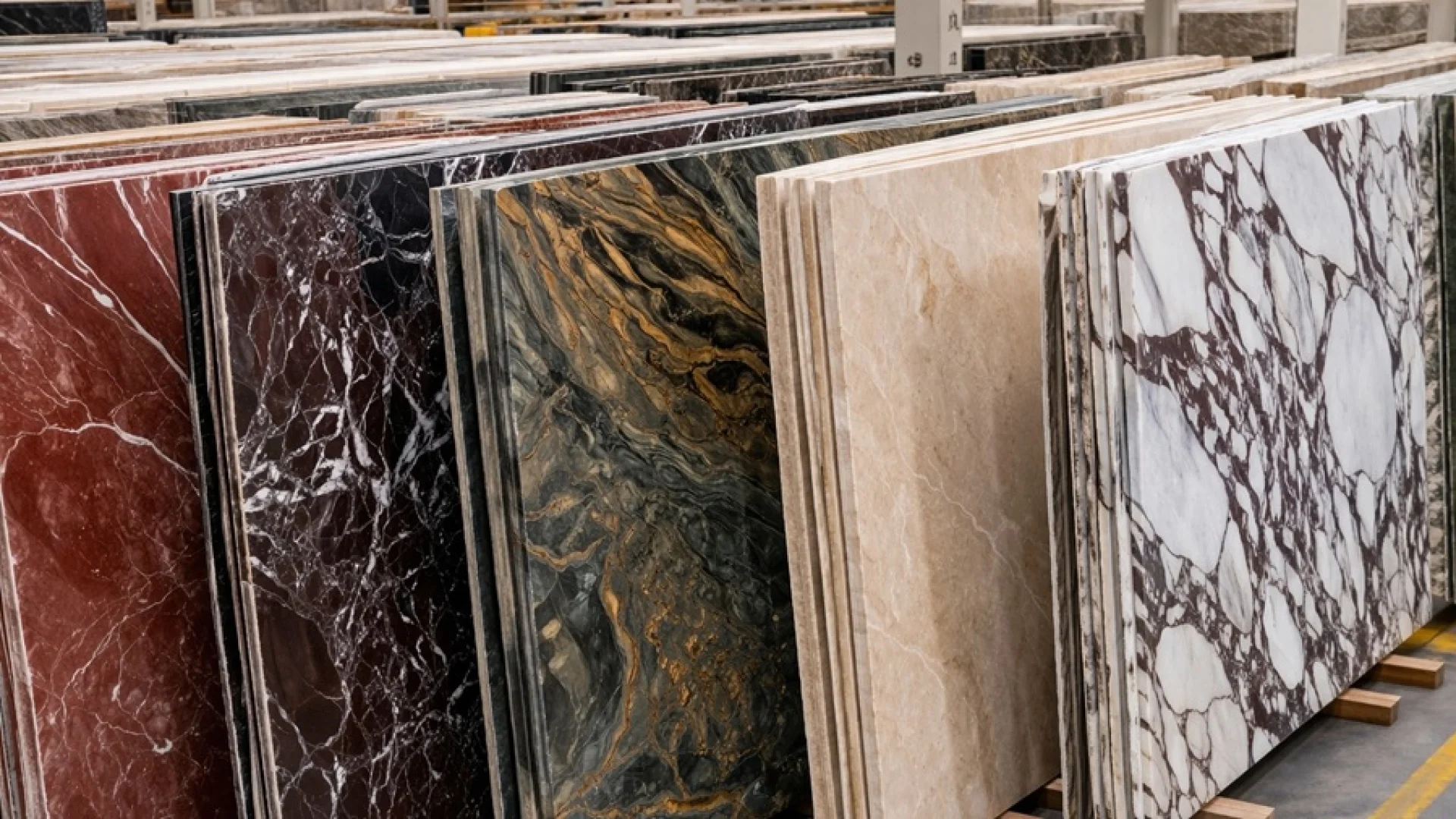
This project outlines the production path of Rosso Venato Dolomite from quarry block selection to final slab preparation. Known for its linear red and white veining, Rosso Venato requires disciplined evaluation from the block stage onward so that vein continuity, structural soundness, and visual balance can be carried through to the finished slabs. At quarry level, each block is reviewed for vein continuity, color consistency, internal density, and crack risk. Because the material shows a strong directional pattern, block orientation is planned carefully to improve slab yield, support structural stability, and achieve a balanced distribution of veining across the slab surface. During cutting, slab thickness calibration, dimensional accuracy, and cutting stress are monitored closely. Particular care is taken to preserve the red-and-white vein transitions that define the stone and to keep the slabs suitable for bookmatch planning where required.
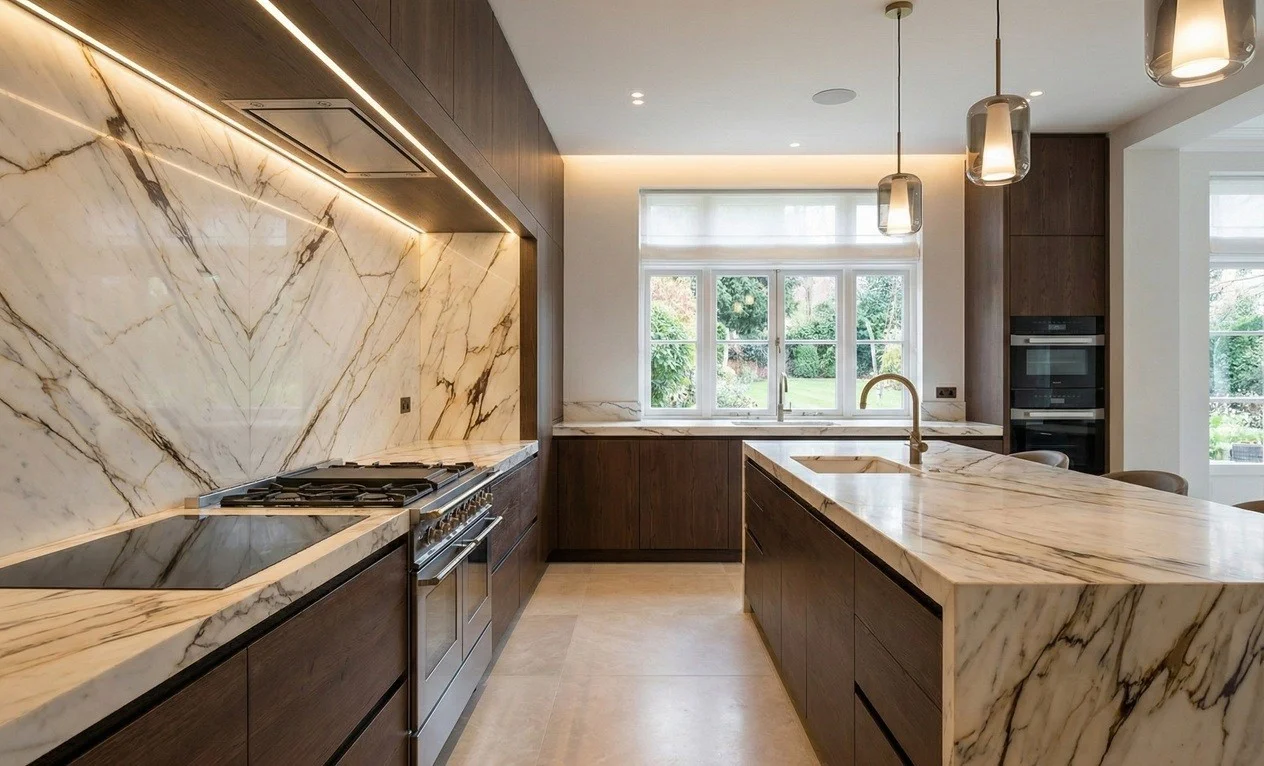
Rosso Venato Dolomite is widely specified for interior wall cladding, feature surfaces, and architectural statement applications. Slabs are processed according to project requirements, typically with polished or honed finishes. Surface treatment is selected to strengthen the visual contrast of the veining while maintaining material density, machining quality, and long-term performance expectations. Quality control continues throughout production. Each slab is checked for micro-fractures, color consistency, vein alignment, bookmatch potential, and export-grade dimensional tolerances. Only slabs that meet architectural and international shipping criteria move forward to final preparation. This workflow reflects a technically controlled approach to Rosso Venato Dolomite, with attention to both visual impact and dependable project performance.
Process & Production
Eskişehir, Turkey
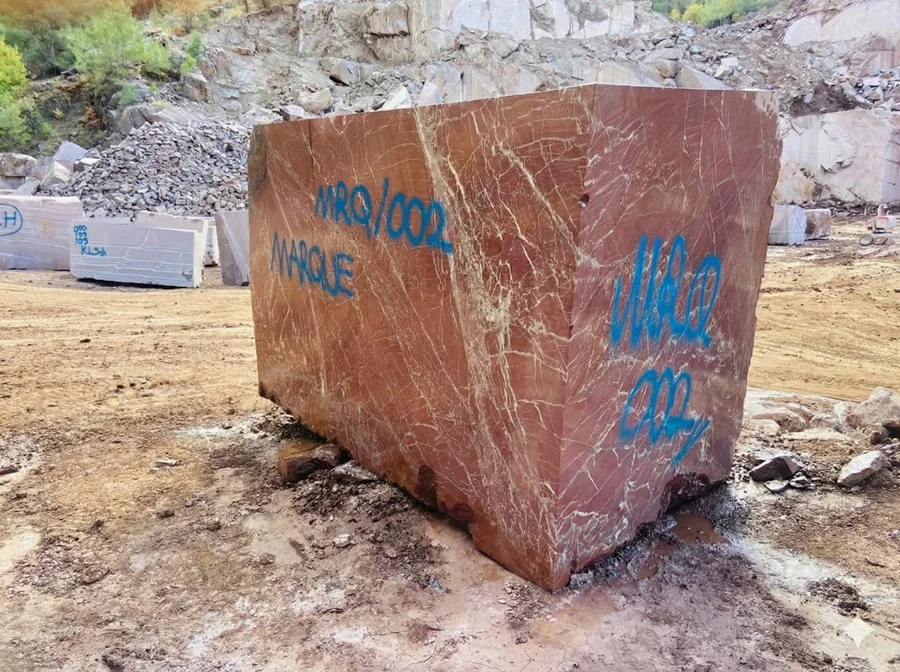
Rosso Laguna - From Block to Slab
This project presents the production path of Rosso Laguna Marble from quarry block selection to final slab preparation. Recognized for its deep burgundy base and sharp white veining, Rosso Laguna requires close technical evaluation at every stage so that both structural integrity and visual definition are preserved through production. The process starts with detailed block inspection at quarry level. Each block is reviewed for vein density, crack distribution, internal stress zones, and overall structural consistency. Because Rosso Laguna combines a compact crystalline structure with a strong directional vein pattern, block orientation is critical for preserving vein continuity, supporting bookmatch potential, and optimizing slab yield. During the cutting phase, slab thickness calibration, dimensional accuracy, and cutting direction are managed carefully. The workflow is designed to maintain visual balance across the slab surface while limiting unnecessary structural stress.
Rosso Laguna Marble is widely specified for premium interior applications, including wall cladding, feature slabs, and custom architectural surfaces. Surface finishing is applied according to project requirements, typically as polished or honed. Polished finishes deepen the burgundy background and strengthen the white vein contrast, while honed surfaces deliver a softer architectural appearance without compromising technical performance. Quality control follows each stage of production. Every slab is reviewed for micro-fractures, surface consistency, vein continuity, dimensional tolerance, and export suitability. Only slabs that meet strict architectural and shipping criteria proceed to final packaging and preparation. This production workflow reflects a controlled approach to Rosso Laguna Marble, combining technical discipline, visual precision, and long-term project reliability.

Process & Production
Eskişehir, Turkey
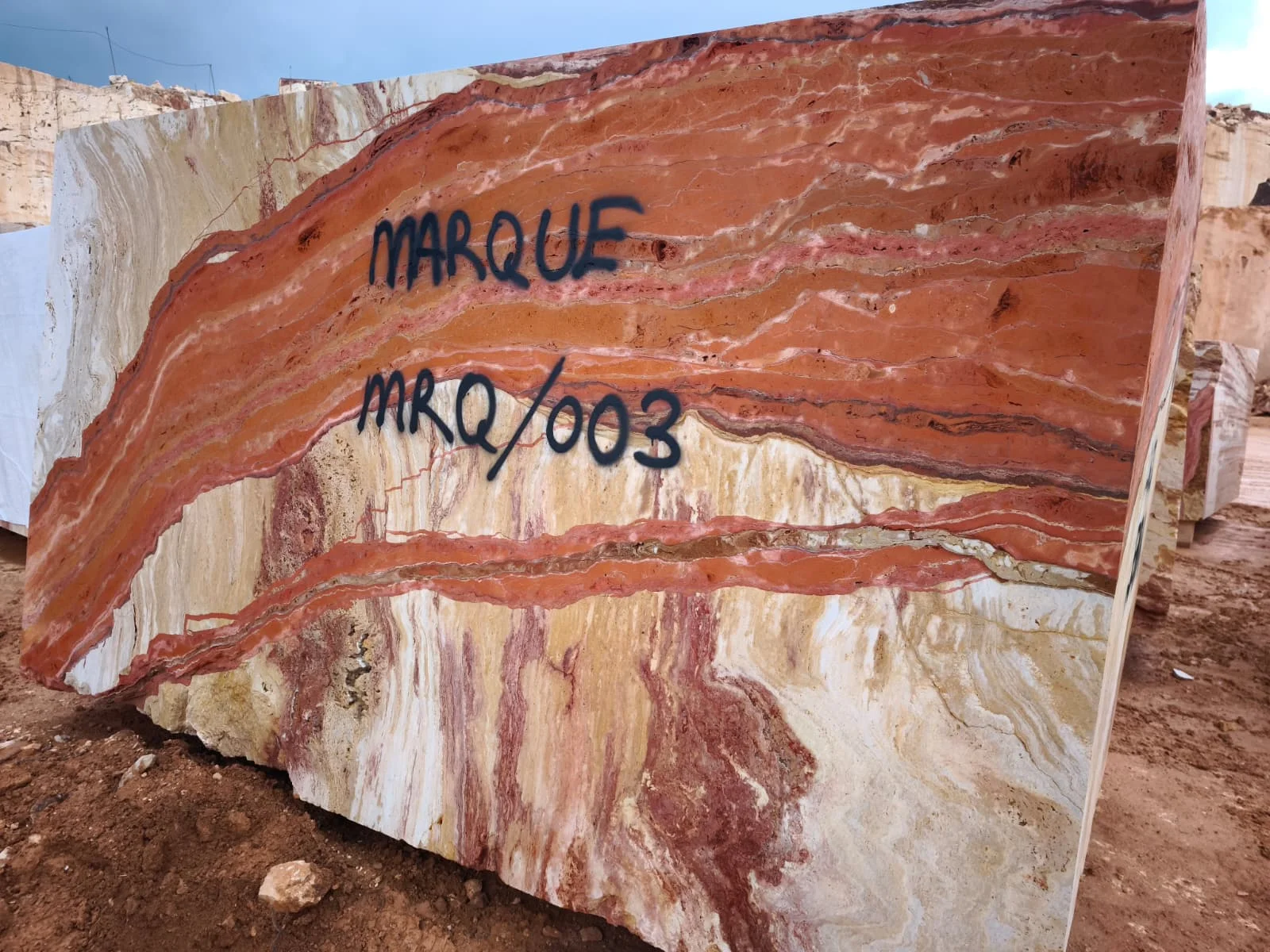
Tronco Ferrato - From Block to Slab
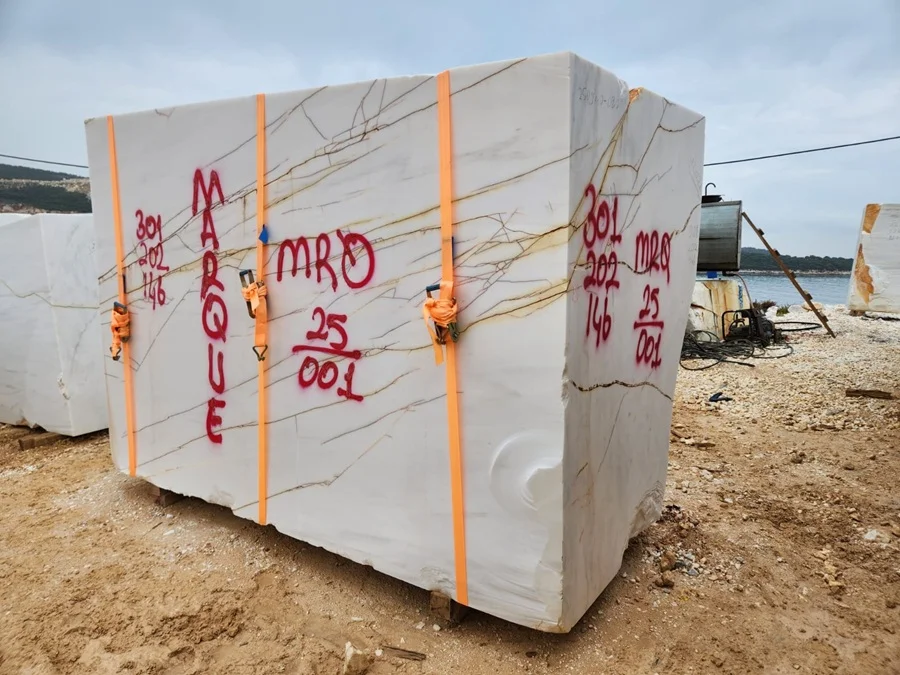
This project presents the production path of Tronco Ferrato travertine from quarry block selection to final 2 cm polished slab preparation. Recognized for its light travertine body and strong red mineral veining, Tronco Ferrato requires close technical evaluation at every stage so that both structural stability and visual character are preserved through production. The process begins with detailed block inspection at quarry level. Each block is reviewed for vein continuity, mineral concentration, natural fissures, density variation, and overall structural consistency. Because Tronco Ferrato shows a pronounced directional pattern, block orientation is planned carefully to preserve the flow of the red veining, improve slab yield, and maintain a balanced composition across the finished surface. During the cutting phase, slab thickness calibration, dimensional accuracy, and cutting direction are controlled closely. Particular attention is given to reducing unnecessary structural stress while protecting the contrast between the calm travertine background and the stronger red movement that defines the stone. After cutting, the slabs are prepared as 2 cm polished surfaces, with the finishing stage focused on surface clarity, visual depth, and production consistency. The result is a technically controlled slab preparation process that supports both export quality standards and architectural use.

Process & Production
Eskişehir, Turkey
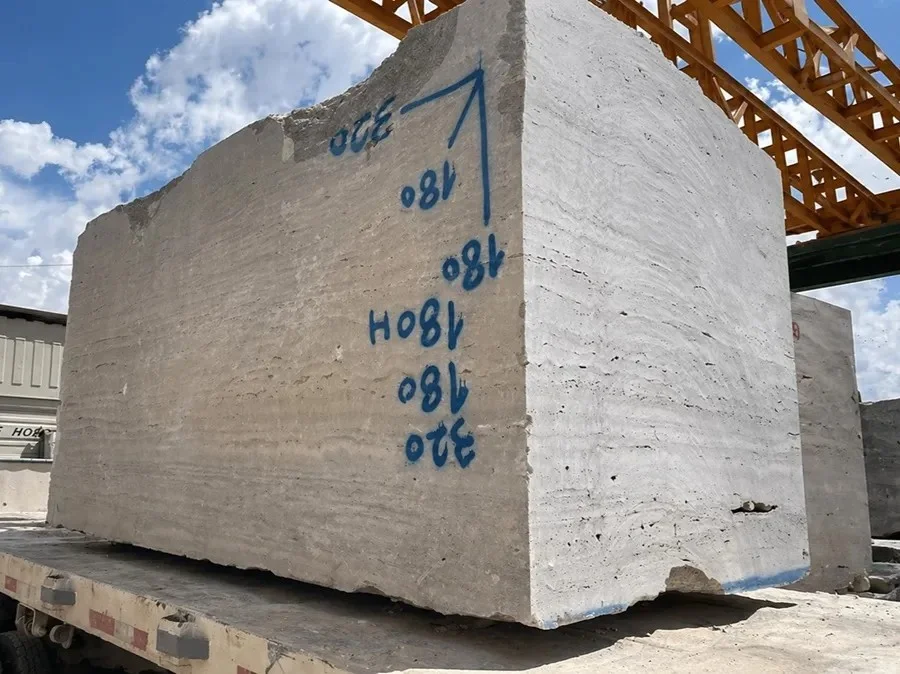
Silver Travertine - From Block to Slab
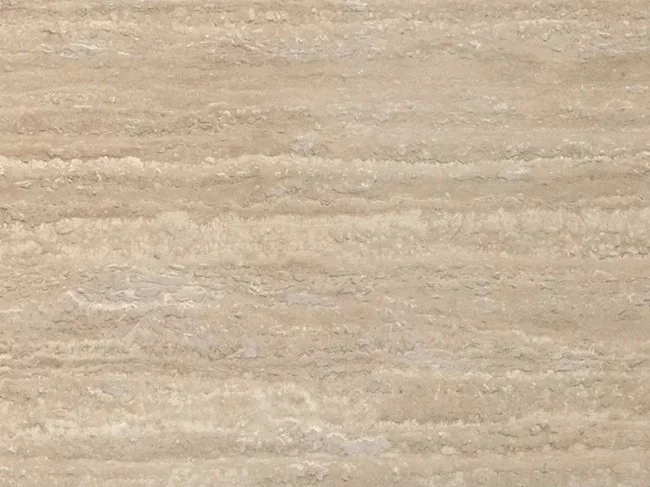
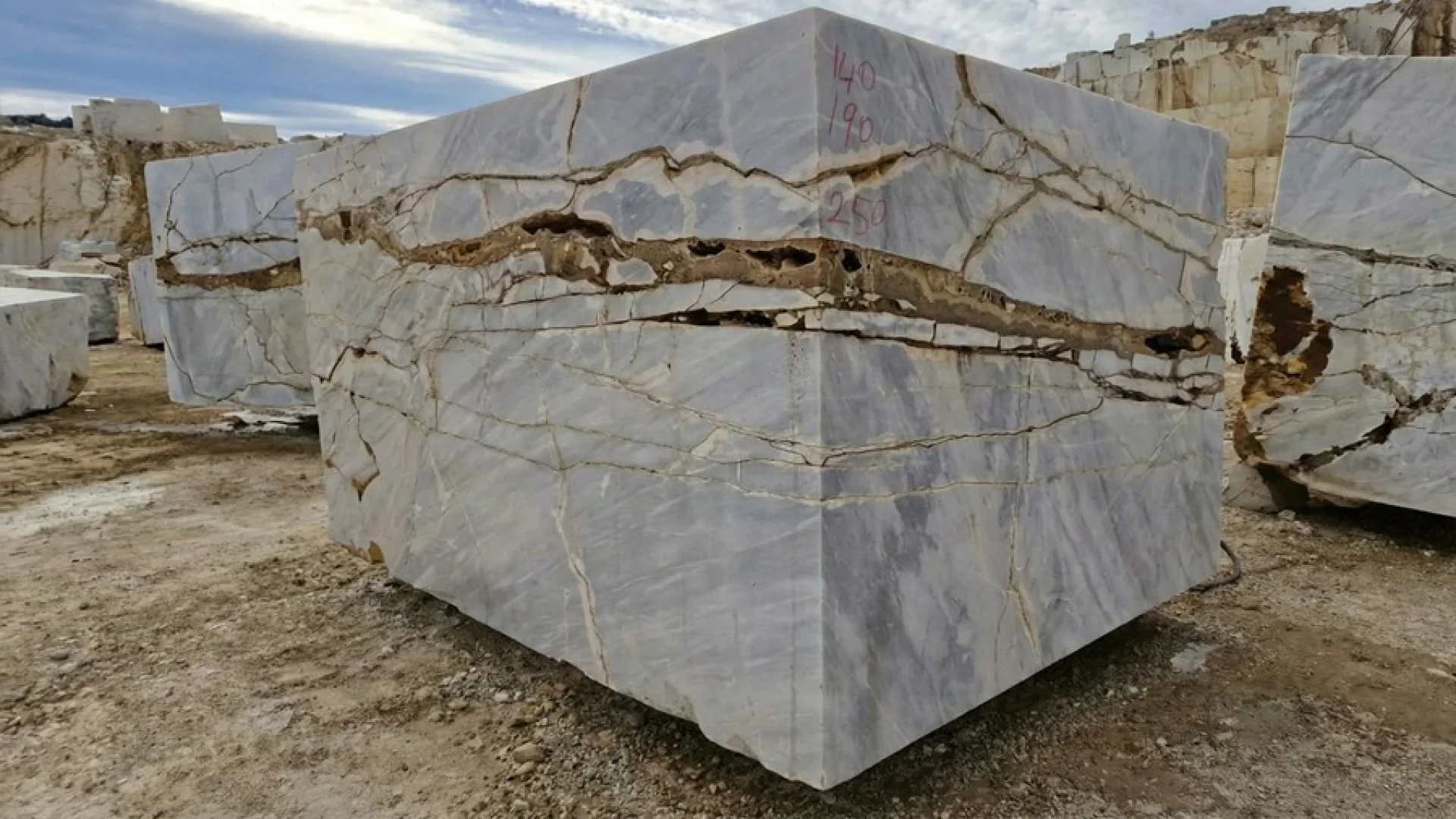
This project traces the Silver Travertine production route from quarry block selection through sawing to the raw-slab stage. The stone is valued for its cool silver-grey ground tone, open natural voids, and restrained directional flow. Before sawing, each block is assessed in detail for structural soundness, colour uniformity, void distribution, and any open veining or fissures that could affect yield. In the quarry, internal integrity, bedding orientation, and how the face tone will develop once slabs are opened are reviewed together. For vein-cut slabs the saw plane is kept parallel to bedding; travertine can read very directionally in this mode, so block orientation is still tuned to protect slab yield, keep tonal transitions even across the slab face, and hold a predictable pattern for planned finishing and bookmatch layouts where these are required. Diamond wire sawing was not used here; the block was opened on a gang saw with fixed blade spacing, producing nominal 2 cm raw vein-cut slabs. Through the cut run, thickness calibration, dimensional control, and frame stresses are monitored so the first open faces reflect the intended stone character without adding unnecessary structural risk. At the stage covered here, those 2 cm slabs are raw blanks ready for specification-led finishing downstream. The sequence reflects a disciplined approach to Silver Travertine: decisive technical choices at block selection, controlled vein-cut gang-sawing, and quality checks that keep raw slab output aligned with architectural expectations.