



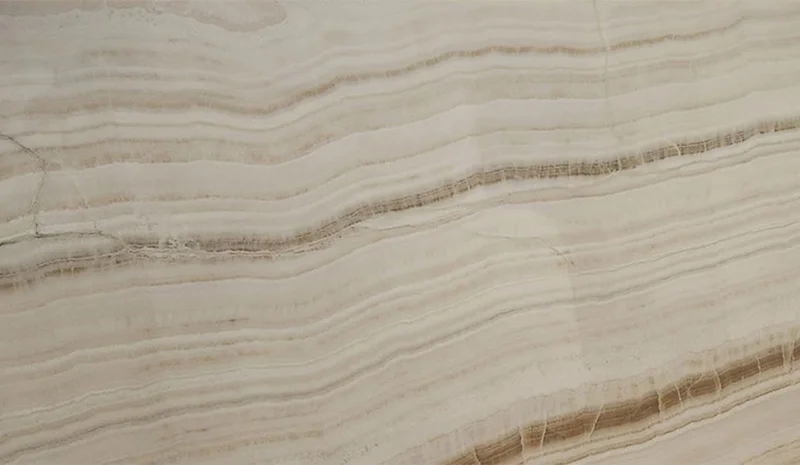
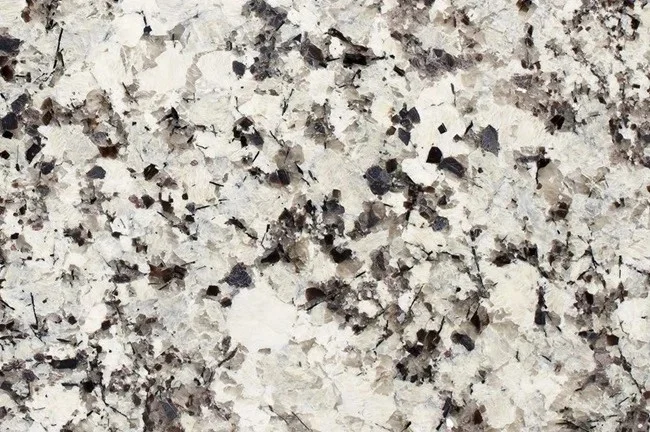
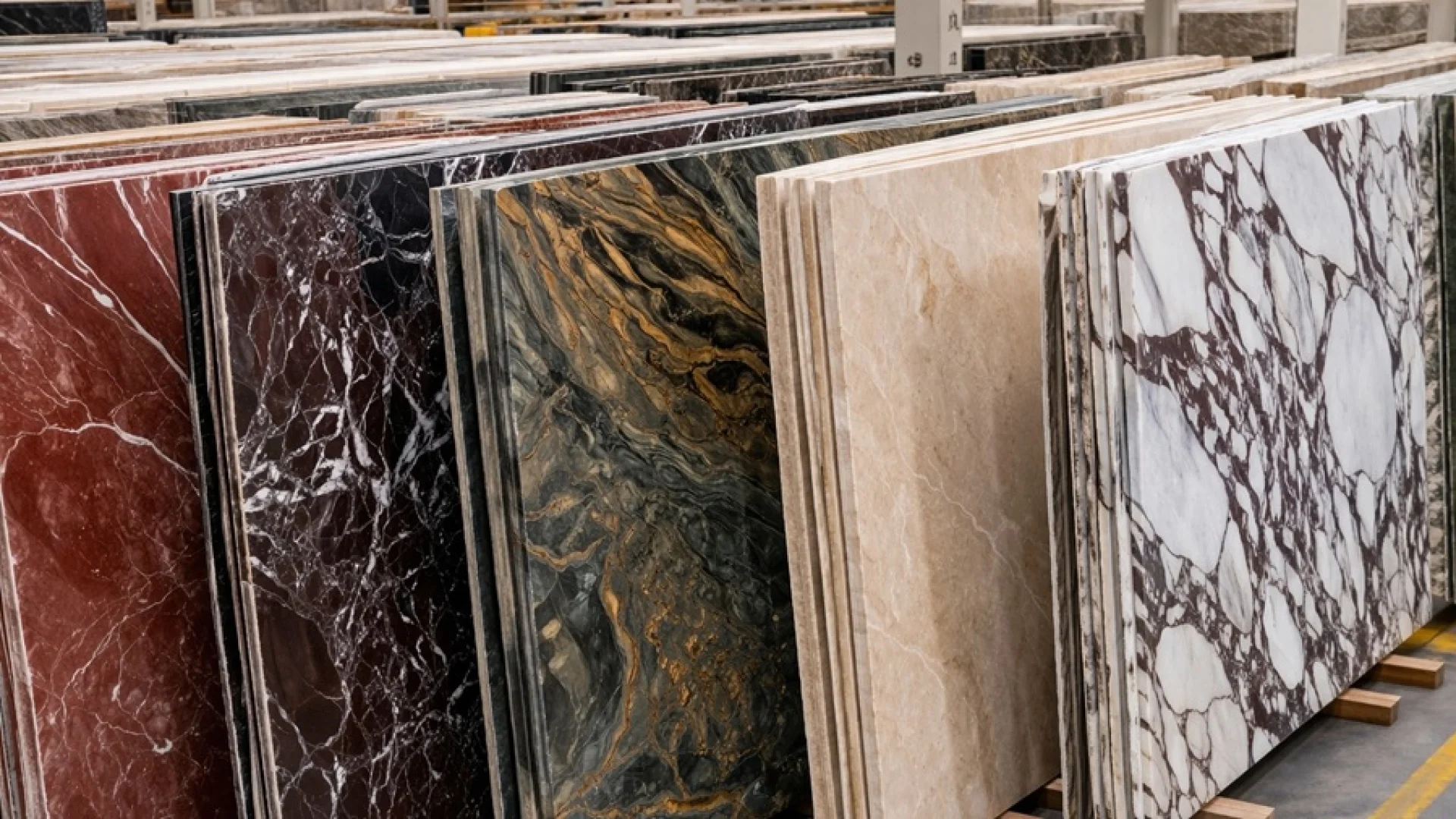
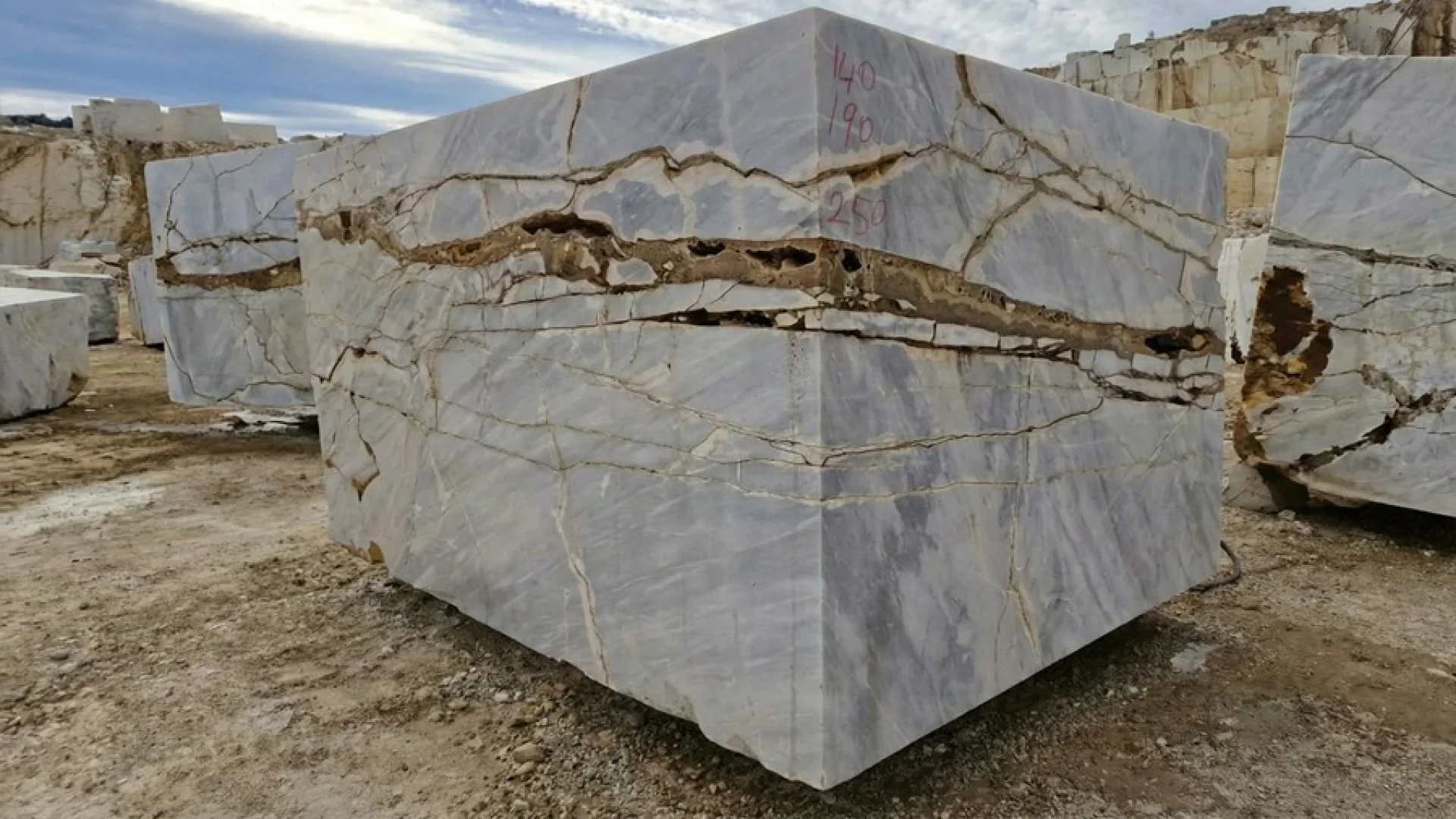

Veining is often the first element noticed when marble is selected, yet the true impact of marble lies not only in the presence of veins, but in their contrast. The relationship between vein color and ground tone determines how a surface is perceived within space, shaping both visual hierarchy and material identity.
Browse the marble collection for contrast-led slabs and read What Is Marble: Properties and Uses for material context.
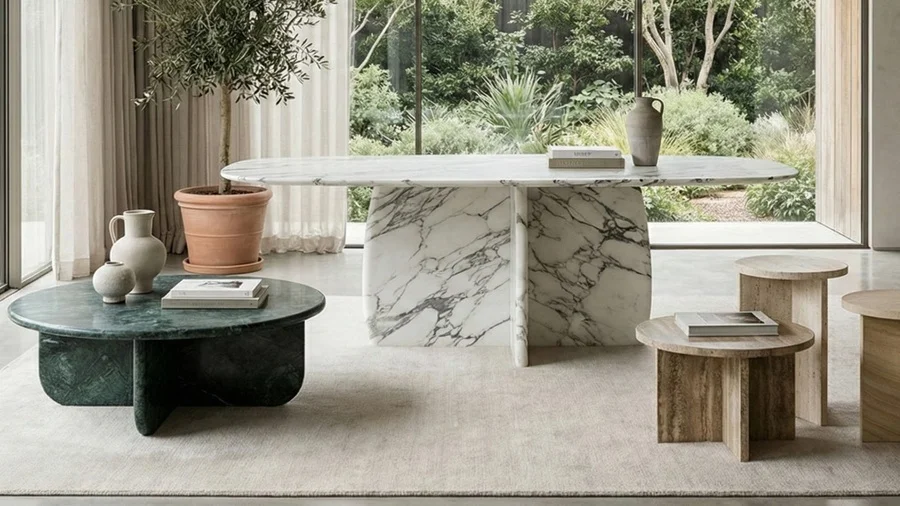
High-contrast veining creates a strong visual impact. When bold veins intersect a light ground, the surface gains depth and movement, immediately drawing attention. This type of marble is often specified as a focal element, allowing the stone to define the character of an interior rather than simply support it.
In architectural interiors, vein contrast directly influences scale perception. Strongly contrasted marbles tend to appear more dynamic and expressive, making them suitable for feature walls, feature floor surfaces, and surfaces where material presence needs to be clearly perceived. Softer contrast, by comparison, produces a calmer and more uniform atmosphere.
Lighting further amplifies the effect of contrast. Natural and artificial light accentuate darker veining, increasing visual depth and emphasising the stone’s internal structure. As a result, the same marble may appear more dramatic or more restrained depending on how it is positioned and illuminated within the space.
Marbles with pronounced vein contrast are typically selected for controlled and singular applications rather than repetition. In such cases, slab selection, vein alignment, and surface layout become critical factors. Bookmatching and directional continuity allow contrast to read as intentional rather than chaotic.
A clear example of this approach can be seen in marbles that combine a light ground with bold purple veining, such as Calacatta Viola Marble . Understanding vein contrast allows designers to specify marble with intention. Instead of asking whether a stone is visually strong or subtle, the more relevant question becomes how its contrast will interact with space, light, and scale. In this way, marble shifts from a decorative surface to a material that actively shapes the interior experience.


