



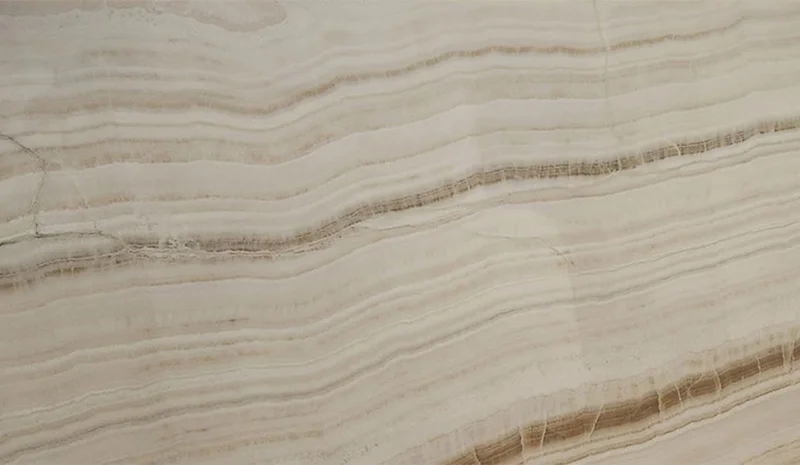
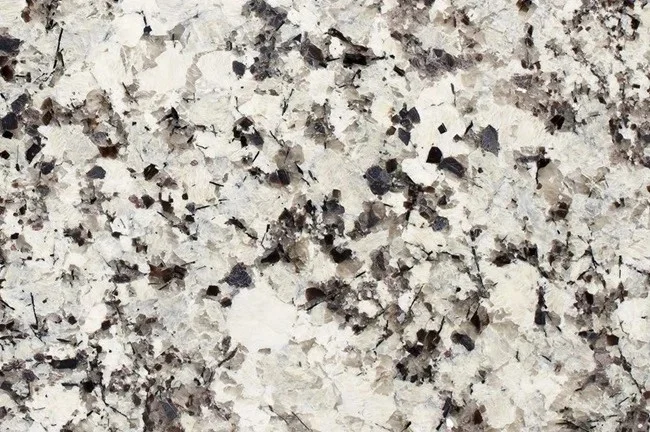
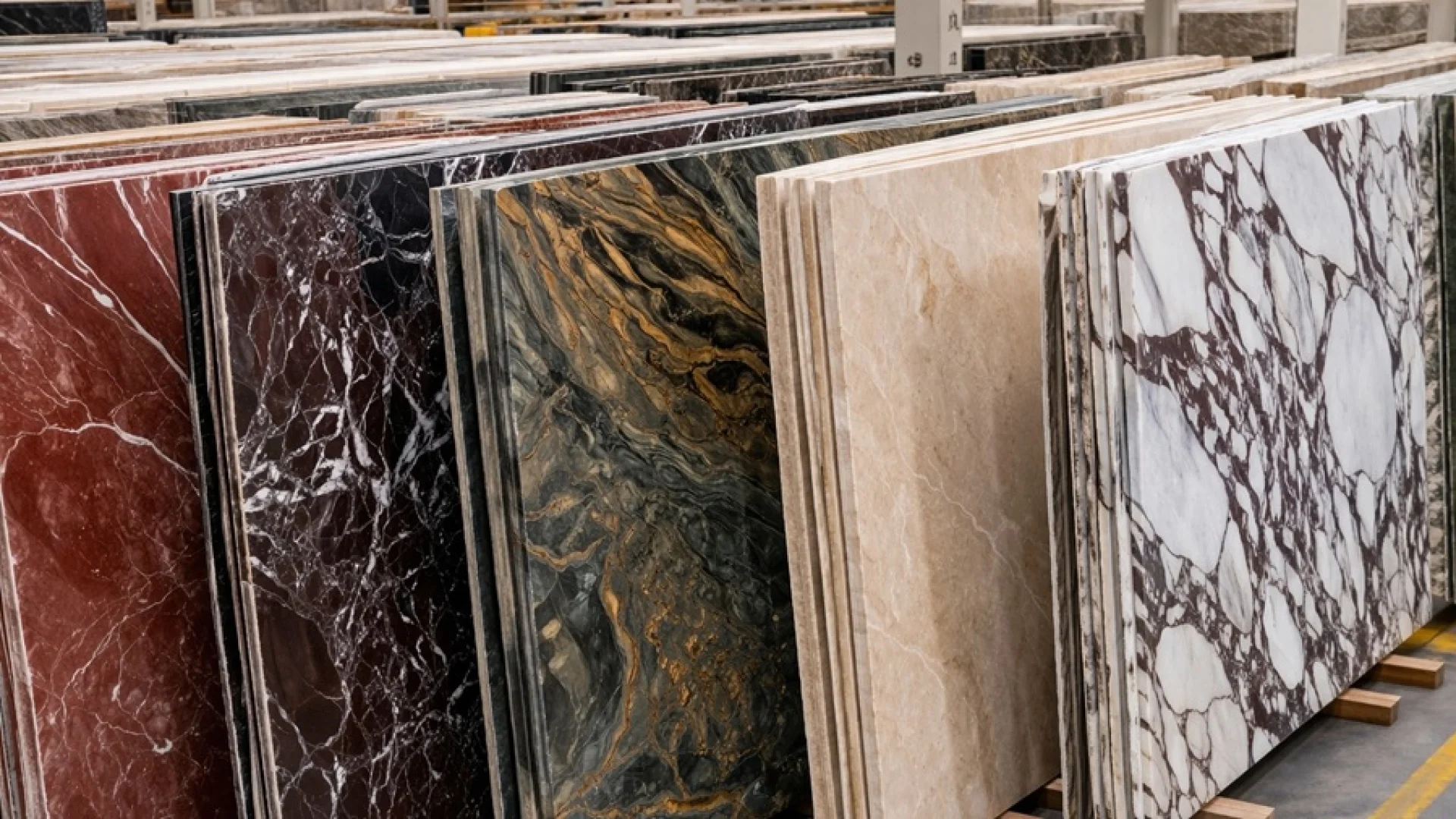
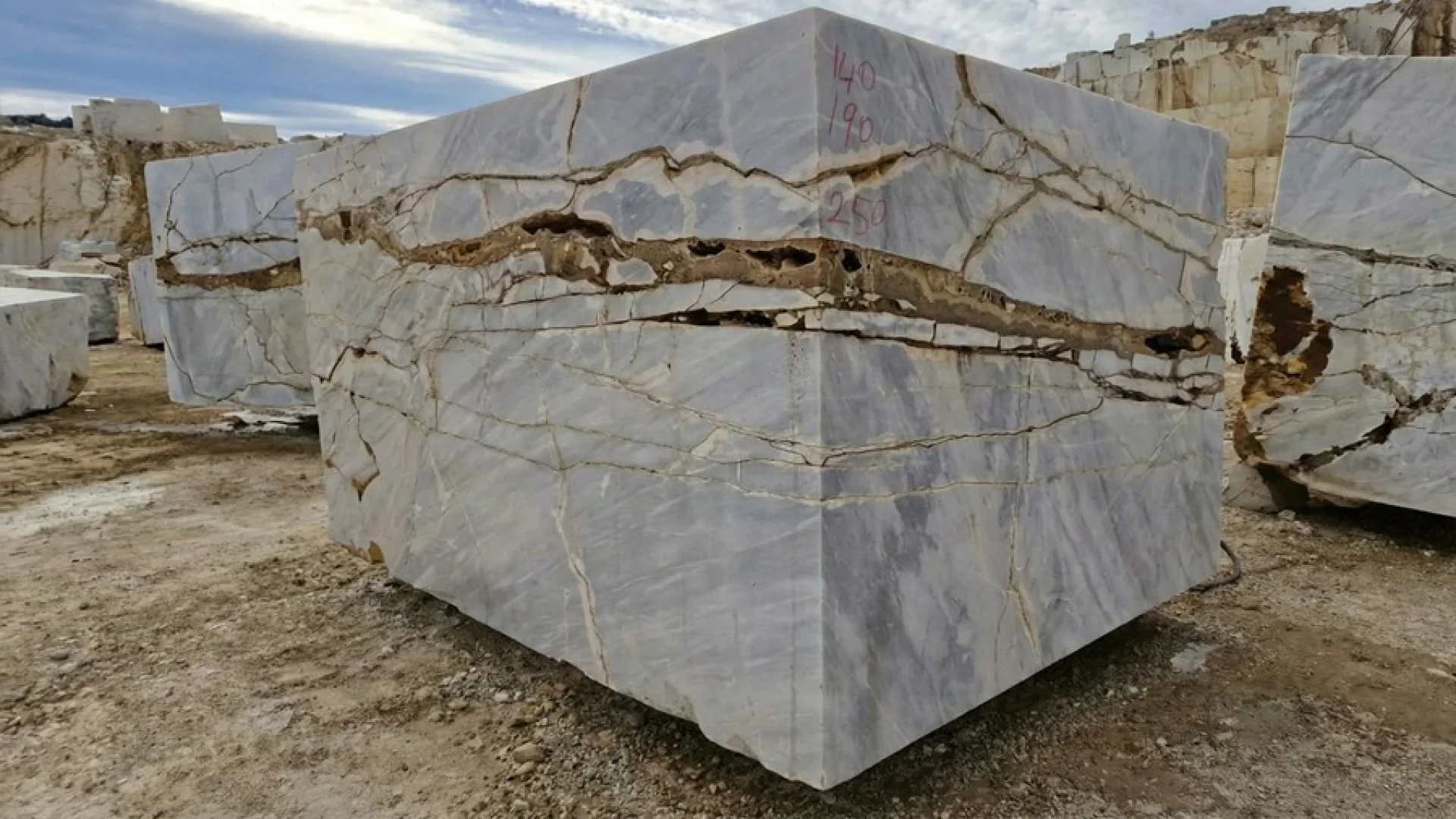

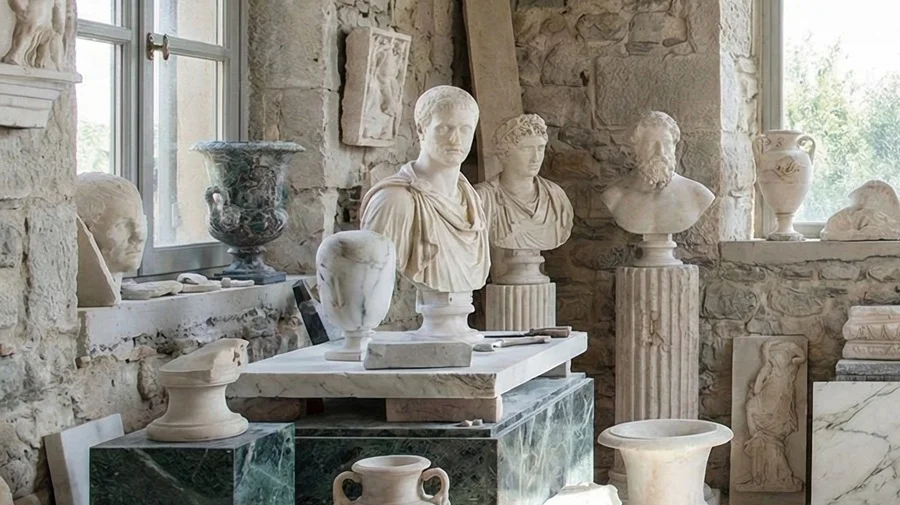
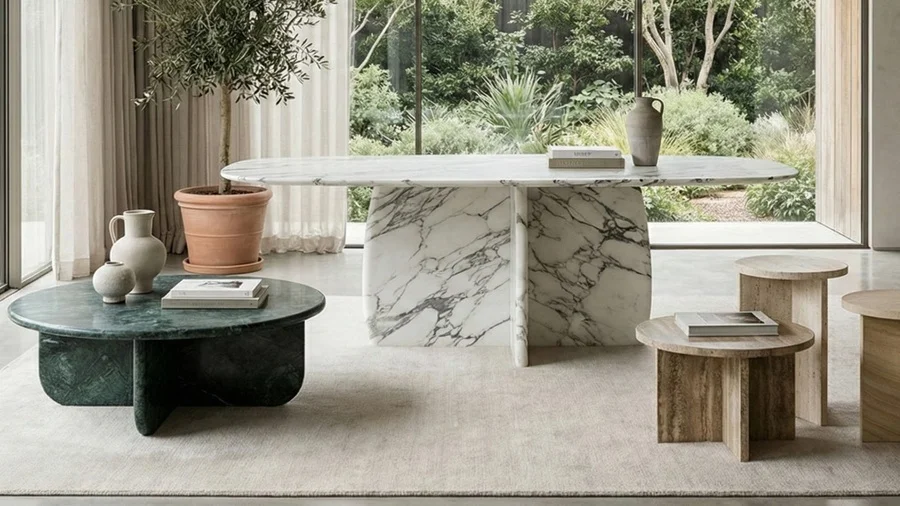

White marble is often described as a single category, yet in practice it encompasses a wide spectrum of visual characters. What appears white at first glance may range from warm ivory undertones to cool grey grounds, from subtle surface movement to bold and expressive veining. These variations are not minor details, but fundamental characteristics that shape how marble is perceived within space.
For slab-led ranges from Turkey, see the marble collection.
The base tone of white marble plays a critical role in perception. Some stones present a clean and luminous white, while others carry softer or slightly muted tones. This difference influences how light is reflected and how the surface interacts with surrounding materials. In restrained interiors, even slight tonal shifts can significantly affect spatial atmosphere.
Veining further defines the identity of white marble. Fine and restrained veining creates calm, uniform surfaces that allow marble to function as a background material. In contrast, bold and directional veining introduces movement and visual tension, transforming the stone into an architectural focal point rather than a neutral finish.
High-contrast white marbles are often cited in architectural discussions as examples of how veining can define material presence. Stones such as Statuario marble are frequently cited for their pronounced grey veining intersecting a bright white ground, demonstrating how contrast shapes visual clarity rather than surface repetition.
Another expression of white marble emerges through stones that combine a light ground with expressive colored veining. Calacatta Viola marble is often mentioned as a reference for how color and contrast together define material character, regardless of availability or specific application.
Lighting conditions strongly influence how white marble is perceived. Natural light enhances tonal depth and vein definition, while artificial lighting can soften or intensify contrast depending on direction and temperature. As a result, the same marble surface may appear calm in one context and dramatic in another.
Scale further amplifies these differences. While small samples may appear similar, full-slab applications reveal base tone, vein density, and pattern orientation far more clearly. This is why white marble selection is rarely finalised based on samples alone, but through full slab evaluation.
Understanding that white marble is never simply white allows architects and designers to move beyond simplified categories. Instead of selecting marble by name or classification, the focus shifts toward tone, contrast, light interaction, and spatial intent. In this way, white marble becomes not just a surface, but an active architectural element that shapes how space is experienced.


