




What Is Marble and How Is It Formed
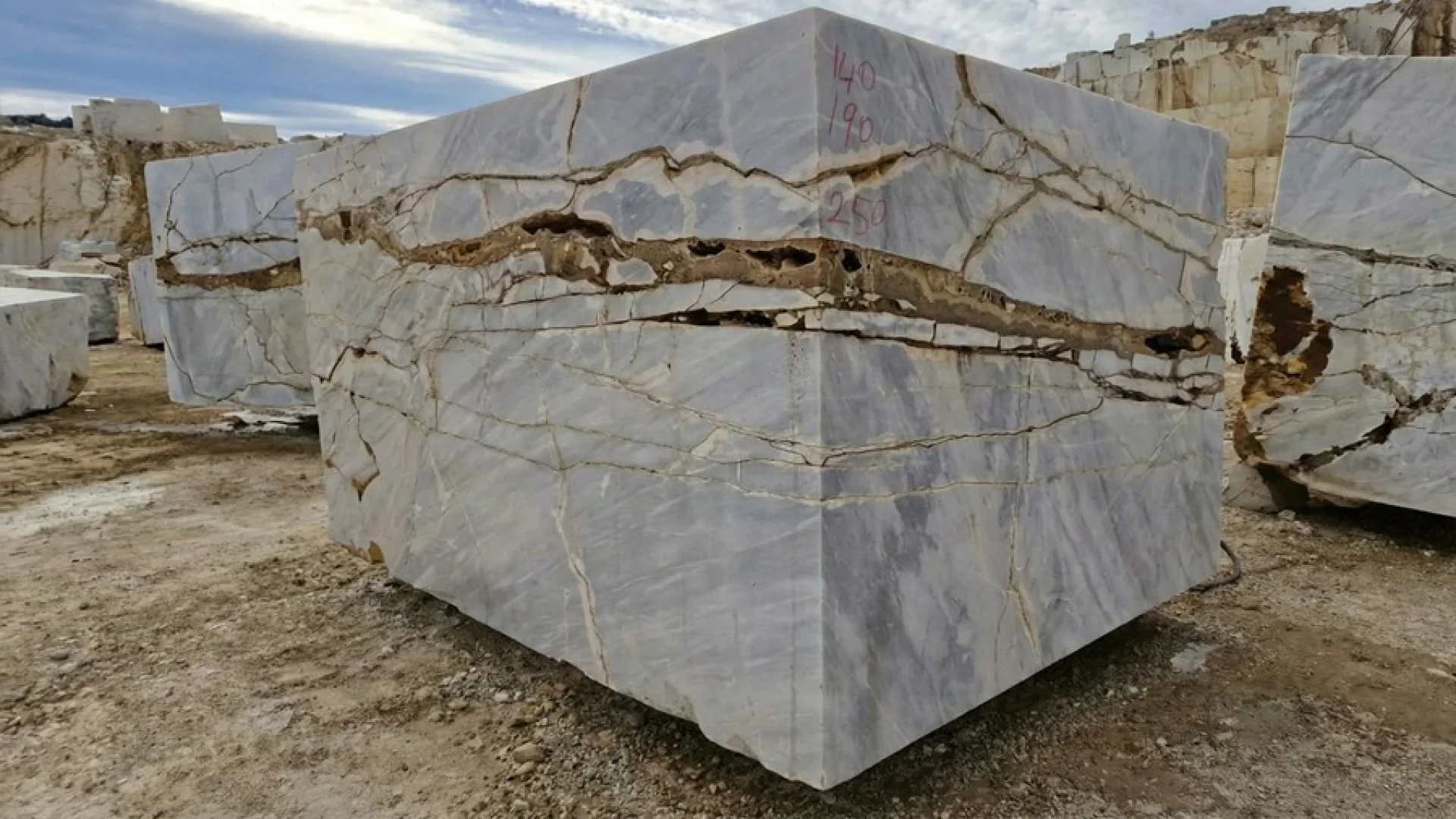
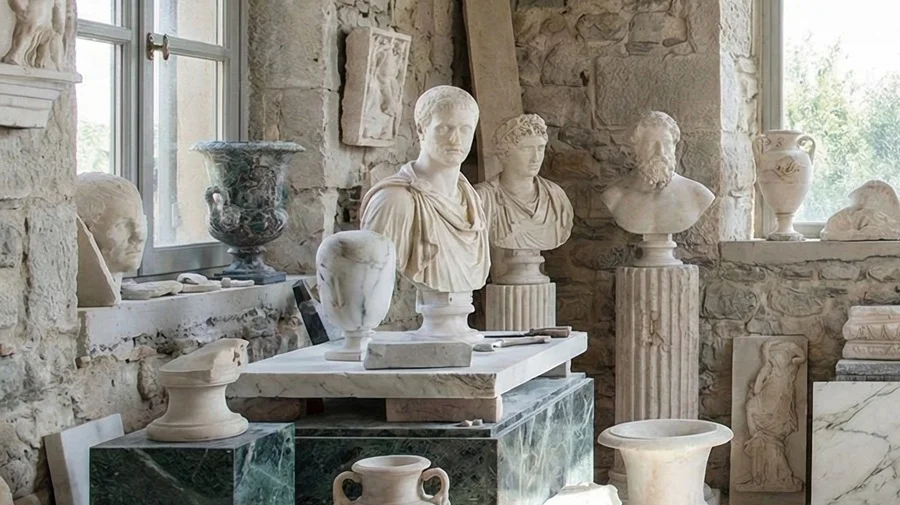
Marble is a natural stone formed through the metamorphic transformation of limestone under heat and pressure. This geological process alters the internal structure of the stone, giving marble its density, veining, and distinctive surface character. As a result, no two marble blocks are ever exactly the same.
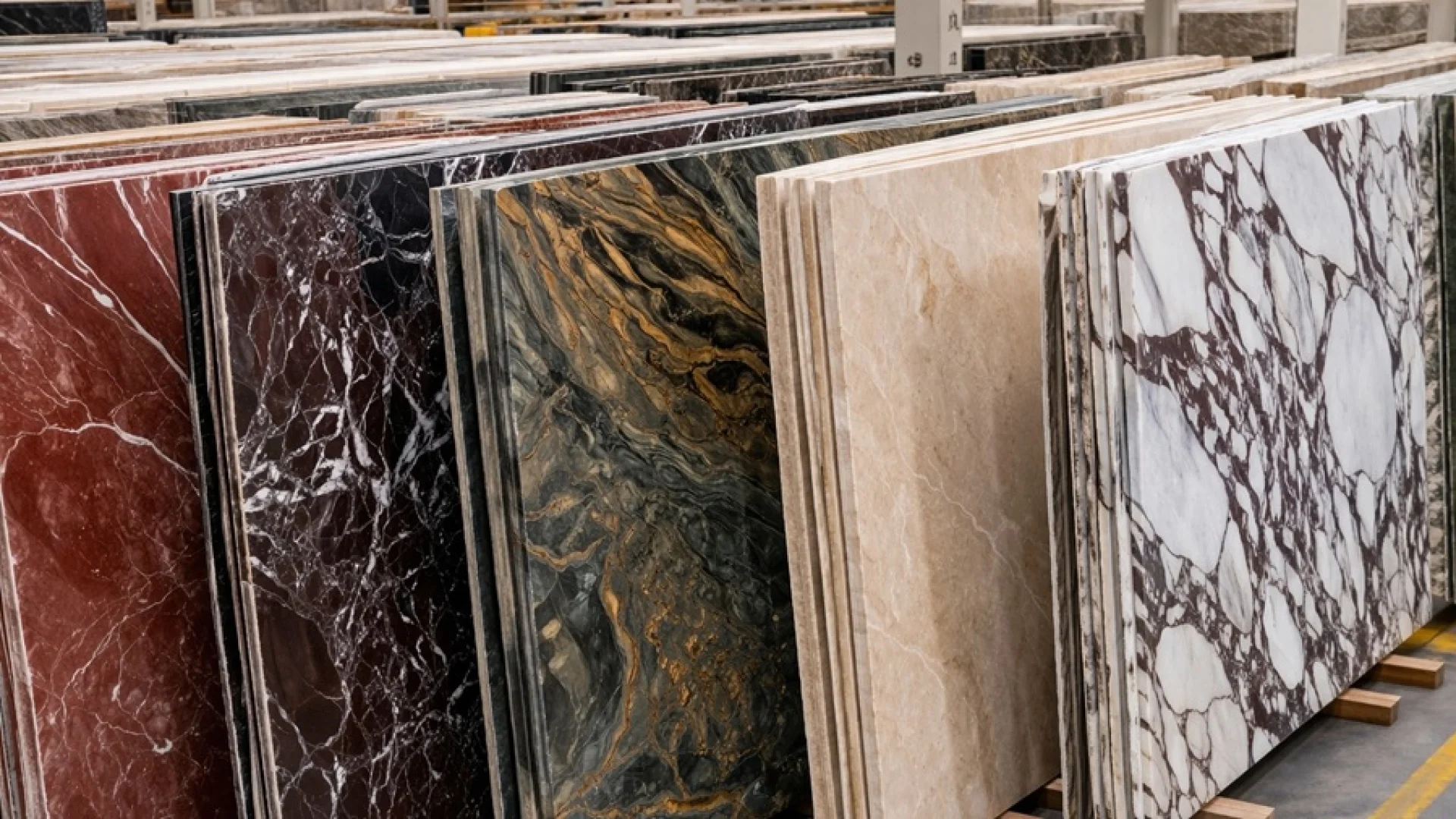
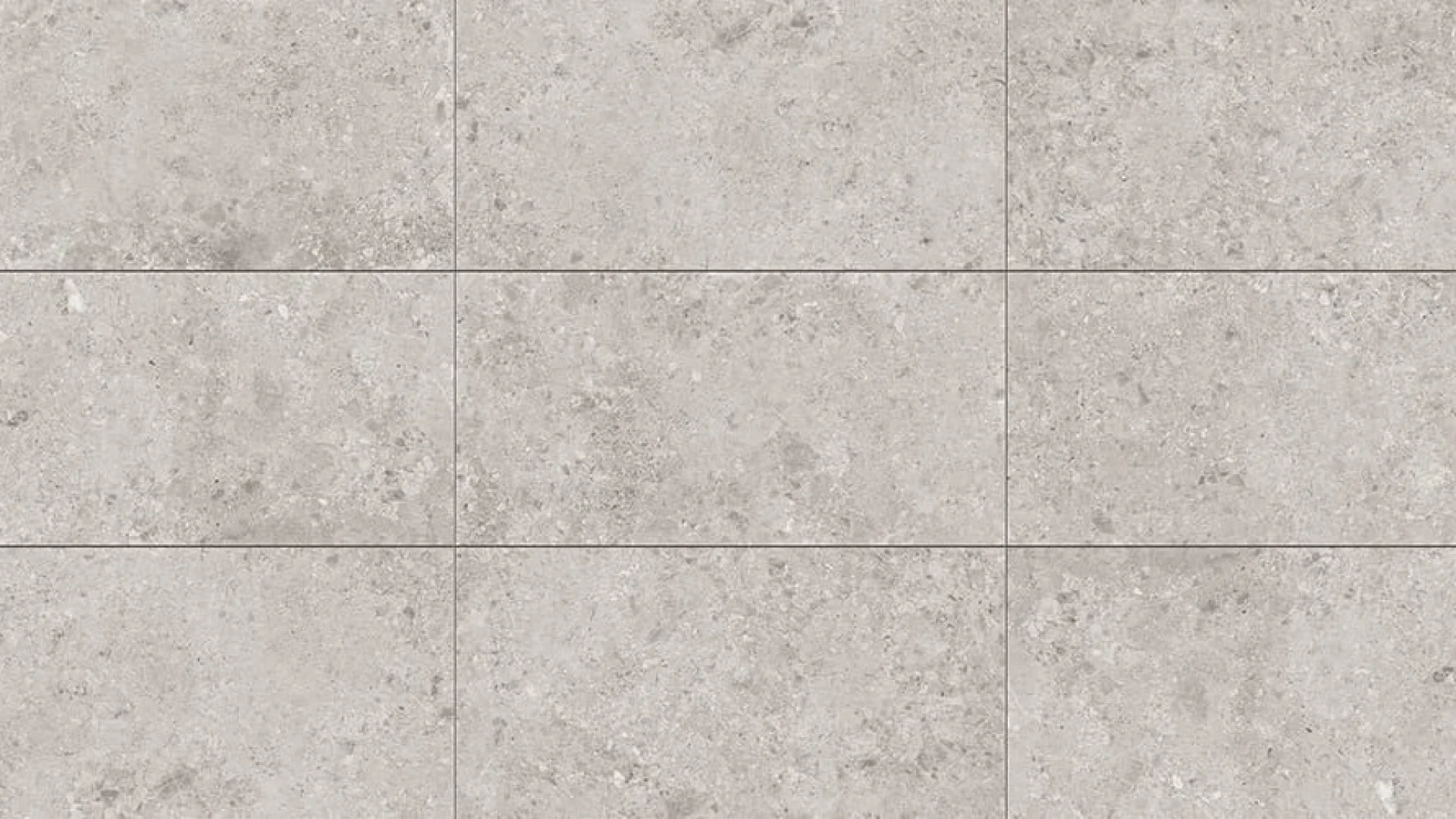
For practical specification, you can explore our marble collection and study stones referenced in this guide: Nordic Grey, Azure Crown, and Rosso Laguna across slabs, tiles, and blocks.
What Defines the Architectural Value of Marble
Marble is not valued solely for strength or durability. Its real value lies in how it behaves within architectural space. Mineral composition, veining direction, and tonal variation allow marble to interact with light and scale in ways that few other natural stones can offer. This is what positions marble beyond a simple finish material in architecture.
How Cut Direction Changes the Appearance of Marble
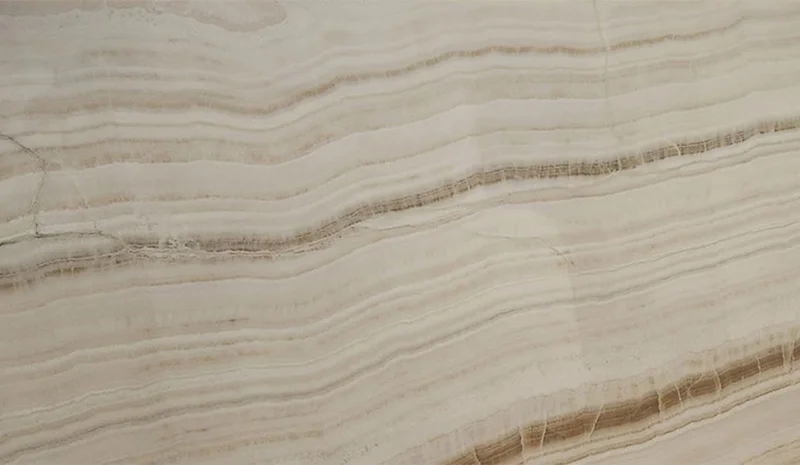
One of the most defining characteristics of marble is the relationship between cut direction and surface appearance. When marble is cut parallel to its veining, the surface emphasizes linear movement and flow. When cut across the veining, the same stone reveals softer, layered, or clouded formations. In calm and uniform stones such as Nordic Grey, this difference directly affects whether the surface reads as quiet and continuous or more visually active.
Where Marble Is Specified in Architecture
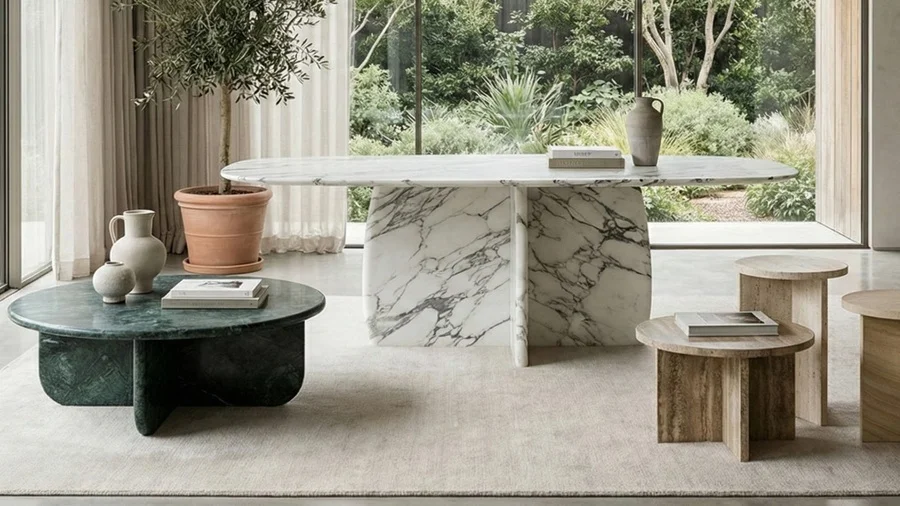
Marble is widely used in interior flooring, wall cladding, feature surfaces, staircases, and large slab applications. Depending on scale and placement, marble can either function as a background material that supports spatial continuity or become a focal element that defines the space. Stones with restrained movement often reinforce calm and cohesion, while more expressive marbles introduce contrast and spatial definition.
How Surface Finish Influences Perception
Surface finish plays a critical role in how marble is perceived. Polished finishes increase reflectivity and sharpen contrast, making veining more pronounced. Honed or matte finishes absorb light, softening surface movement and reducing glare. In layered stones such as Azure Crown, surface finish strongly influences how mineral bands and color transitions are read across large surfaces.
How Light Shapes the Perception of Marble
Light is one of the most important factors affecting how marble is experienced. Natural daylight reveals subtle tonal variation and mineral depth, while artificial lighting can either enhance or flatten surface character. Lighter marbles tend to reflect light and expand spatial perception. Darker and more saturated stones absorb light, creating depth and a sense of enclosure. Marbles with strong color intensity, such as Rosso Laguna, are particularly sensitive to lighting direction and intensity, making careful lighting design essential.
How Marble Differs From Other Natural Stones
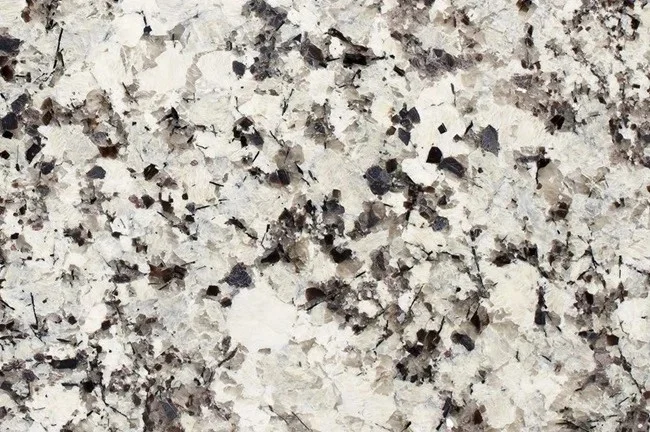
Marble is often confused with other natural stones such as travertine, limestone, and onyx. While they may appear similar, these materials differ significantly in formation, porosity, translucency, and long term behavior.
Travertine offers a more porous and textured surface.
Limestone provides a quieter and more uniform appearance.
Onyx interacts with light through translucency.
Marble occupies a unique position between these materials, combining structural consistency with expressive surface variation.
How Marble Is Really Chosen
Choosing marble is not simply about color or pattern. Professionals evaluate full slabs rather than small samples, consider cut orientation and surface finish, and assess how the stone will behave at scale. Joint layout, edge detailing, lighting conditions, and spatial context all influence how marble will ultimately be perceived once installed.
Why Marble Remains a Timeless Material
Marble functions as more than a decorative surface. It is an architectural material that shapes atmosphere and spatial experience. Its timeless relevance comes from its ability to respond to design intent, light, and proportion. For this reason, marble remains one of the most expressive and enduring natural stones used in architecture today.


