




Marble is often associated with bold veining, strong contrast, and visual dominance. Yet some of the most effective architectural spaces are defined not by expressive stone, but by marble that is deliberately kept quiet.
For calm marble surfaces from Turkey, browse the marble collection and read What Is Marble: Properties and Uses.
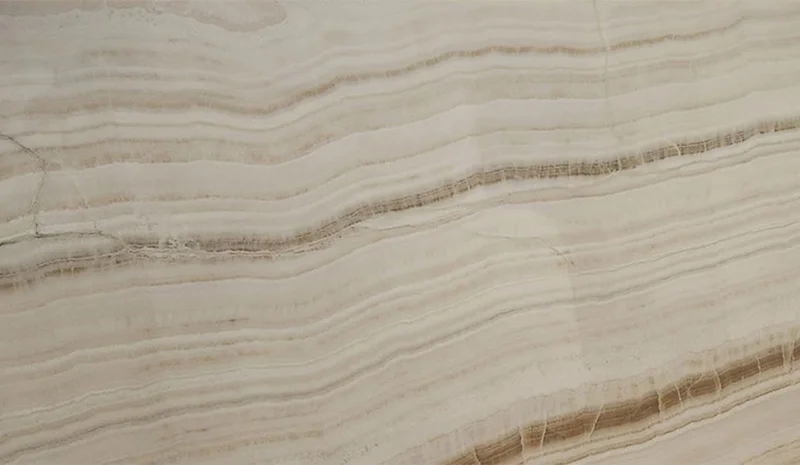
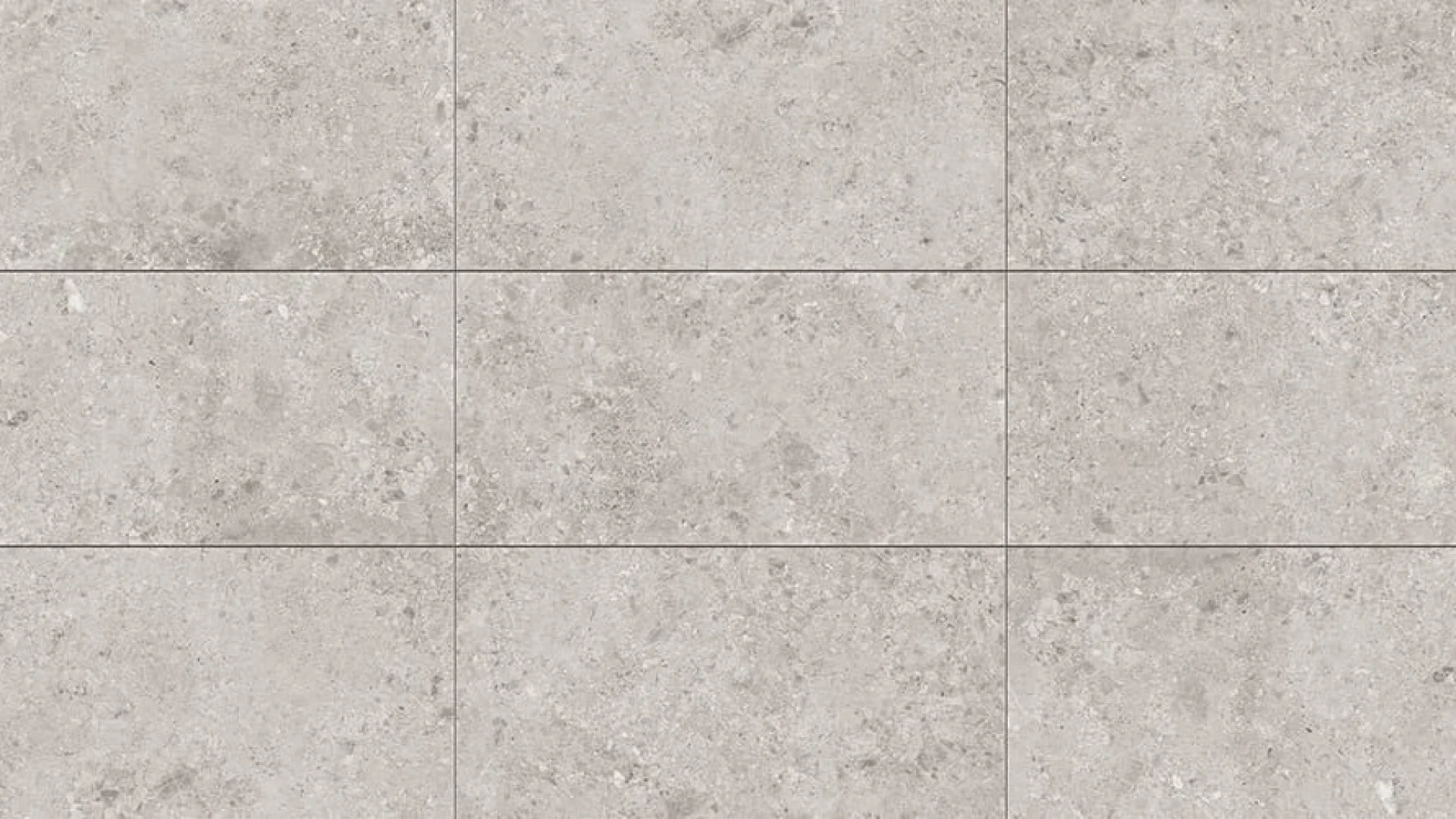
When marble becomes background, it no longer competes for attention. Instead, it supports proportion, light, and spatial rhythm. Subtle tonal variation, fine texture, and restrained movement allow surfaces to feel continuous rather than assertive.
Quiet marbles shift the focus from material expression to spatial experience. Walls recede, large floor surfaces extend, and transitions soften. This restraint creates environments that feel calm, balanced, and enduring rather than visually demanding.
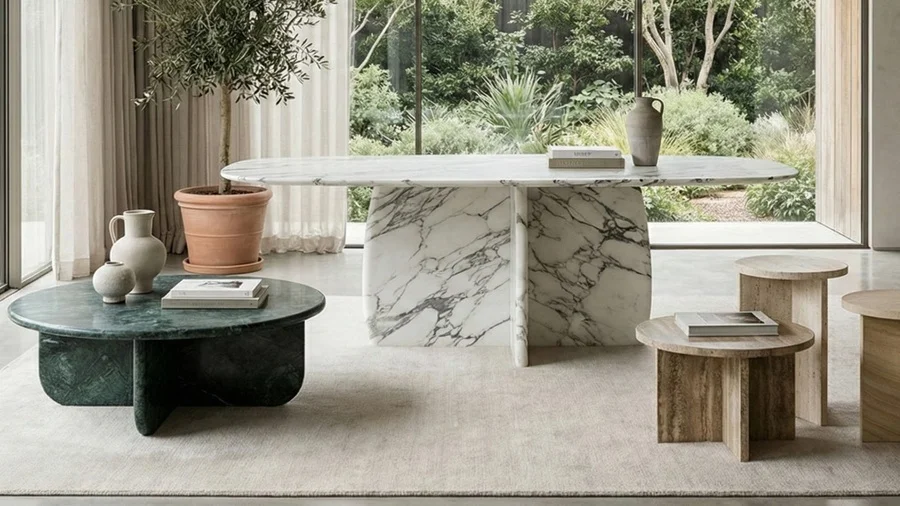
In such spaces, light becomes the primary actor. Natural daylight reveals gentle tonal shifts across the surface, while shadow adds depth without harsh contrast. The marble supports the space rather than dominating it, reinforcing the architecture instead of defining it.
These stones are not neutral because they lack character. Their strength lies in consistency and discipline. By avoiding visual noise, they allow scale, geometry, and material junctions to be read more clearly.
When used thoughtfully, quiet marble transforms space through absence rather than presence. It is not designed to be noticed immediately, but to be understood over time through the way a room feels and functions.


