





Choosing between marble, granite, and quartz is one of the most common material decisions in interior architecture. Although these stones are often discussed together, they differ significantly in origin, surface character, and long-term behavior. Understanding these differences is essential for selecting the right material for each space.
For project specification, browse our marble collection and granite collection. For a structured overview of marble formation and uses, read What Is Marble: Properties and Uses.
Understanding Marble
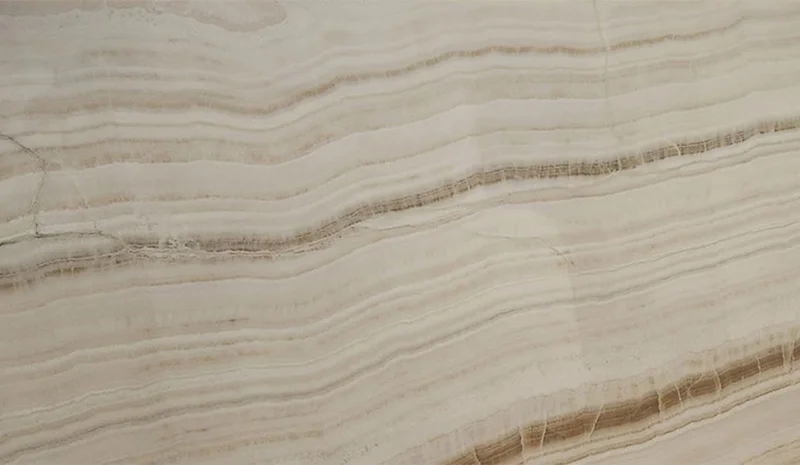
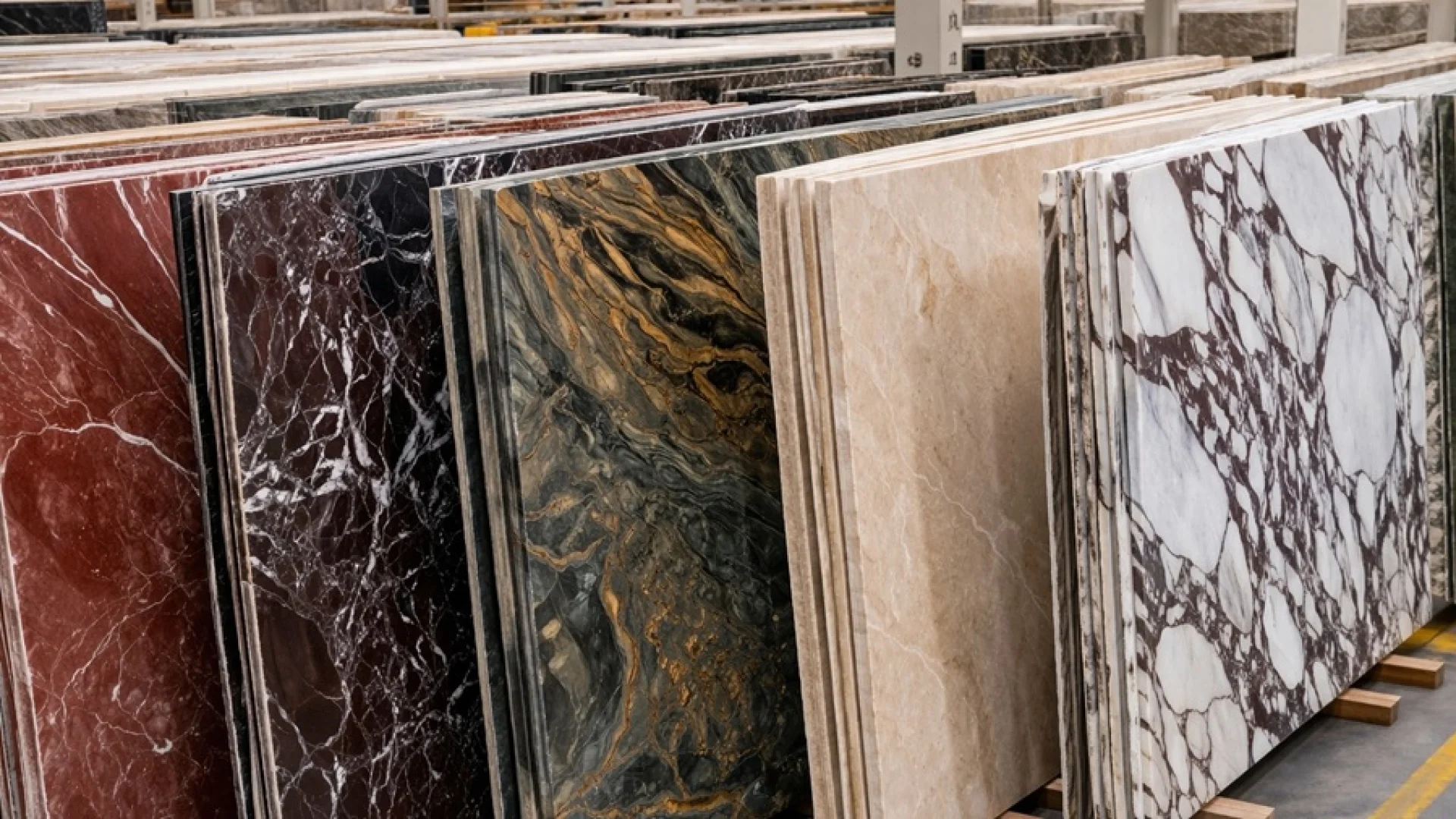
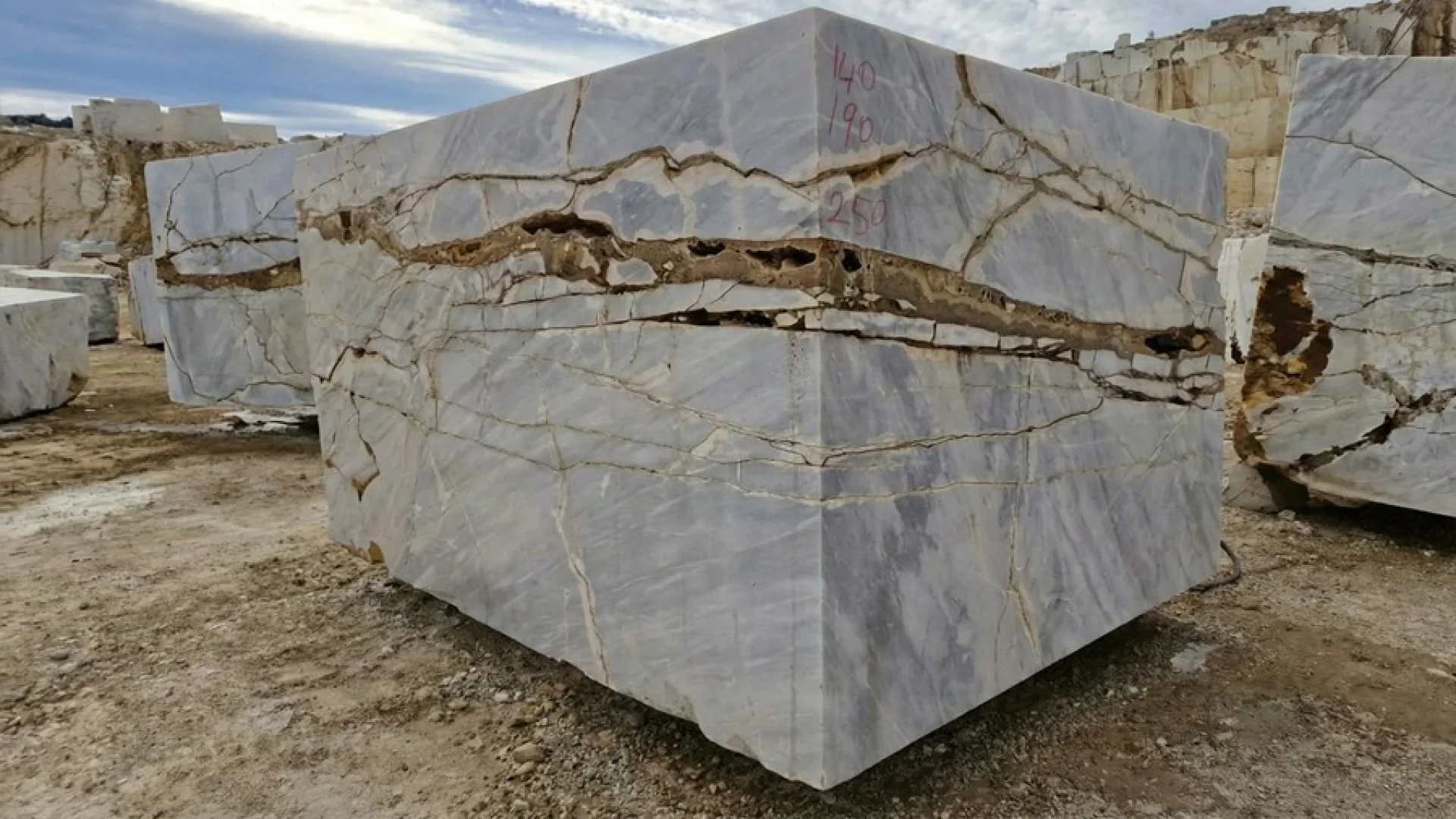
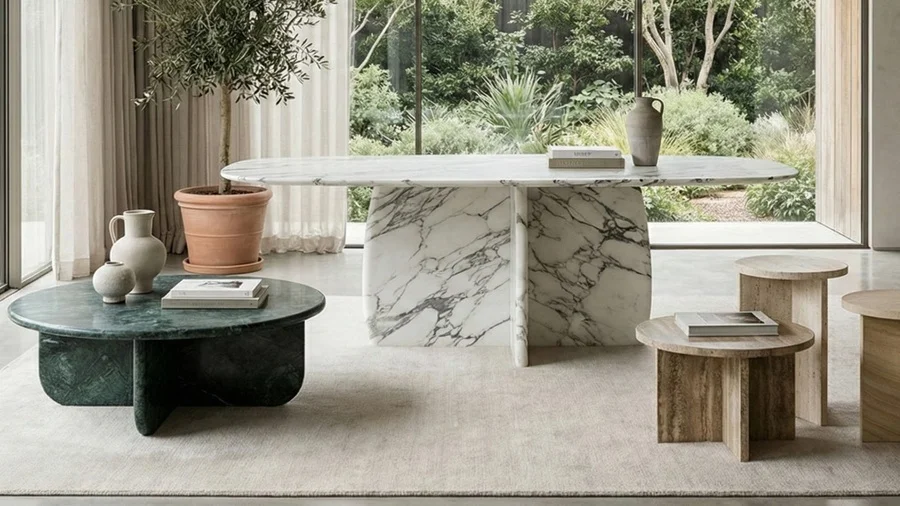
Marble is a natural stone formed through the metamorphic transformation of limestone. Its defining quality lies in its surface expression. Veining, tonal variation, and mineral depth allow marble to interact with light in a way that creates movement and spatial richness. Marble is often chosen for spaces where atmosphere and material presence matter. Floors, wall cladding, bathrooms, feature surfaces, and large slab applications benefit from marble’s ability to feel both calm and expressive depending on cut direction and surface finish.
Understanding Granite
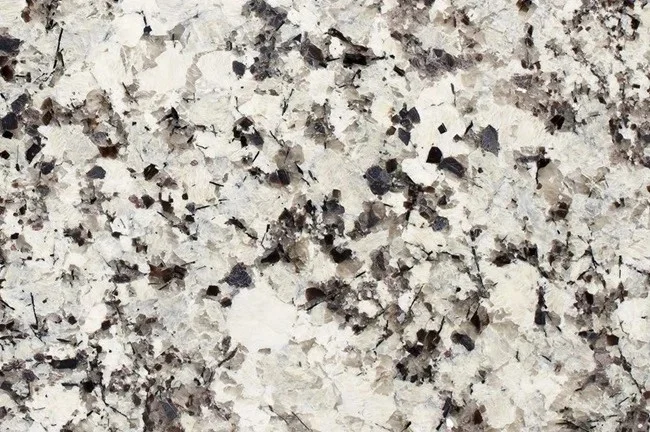
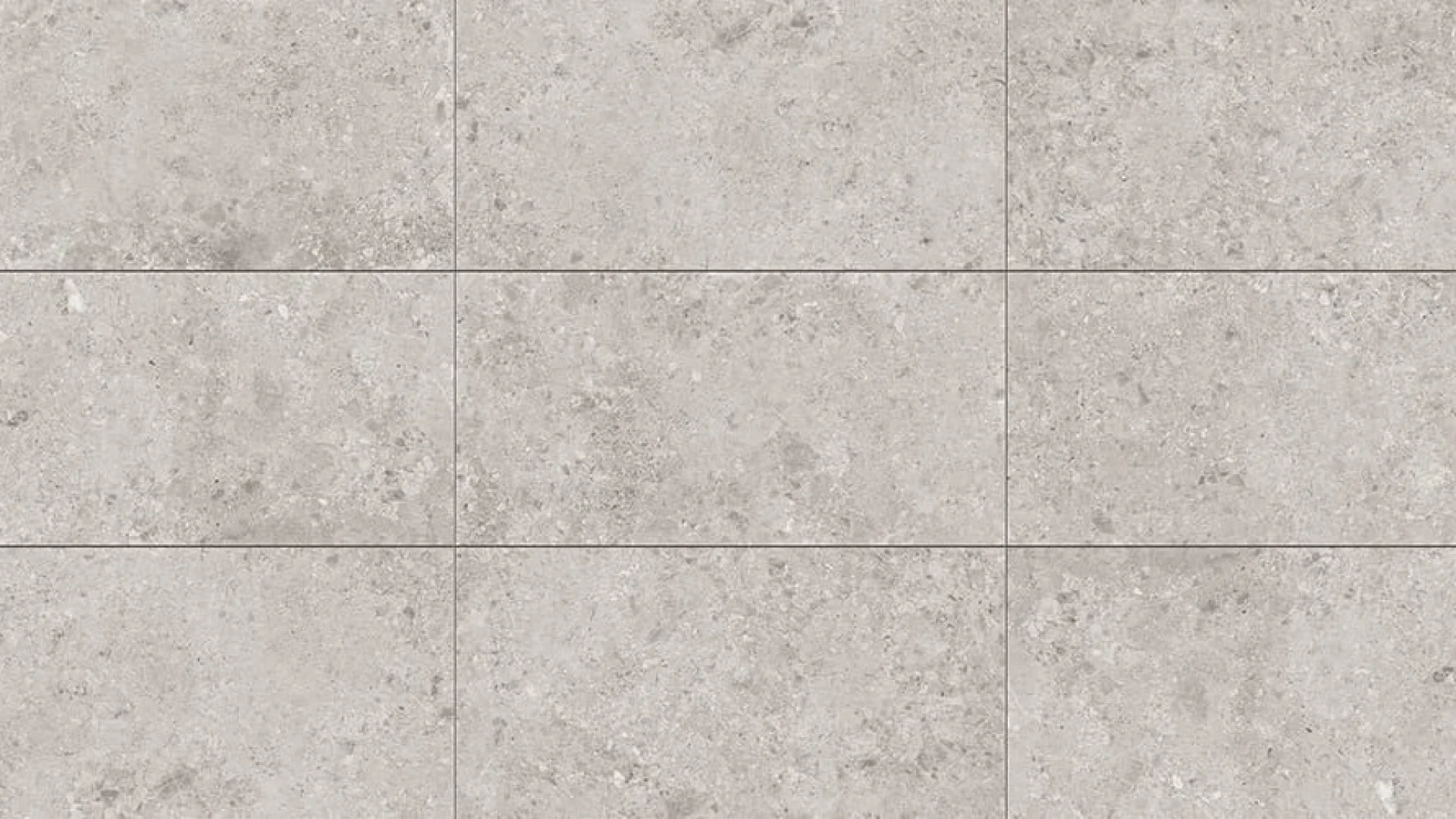
Granite is an igneous stone formed from cooled magma. It is known for its density, hardness, and resistance to heat and scratching. Compared to marble, granite has a more granular and consistent visual structure. Granite is commonly used in kitchens, work surfaces, and heavy use areas where durability is a primary concern. Its appearance is visually strong but less sensitive to light and scale compared to marble.
Understanding Quartz
Quartz surfaces are engineered materials made from crushed stone bound with resins. Unlike marble and granite, quartz does not occur naturally in slab form. Its primary advantage is consistency. Quartz offers controlled color and pattern consistency, making it predictable in large-scale applications. It is often selected for residential interiors where ease of maintenance and uniform appearance are prioritized over natural variation.
How Visual Character Influences the Choice
Visual character plays a major role in material selection. Marble reflects and diffuses light, creating depth and variation. Granite absorbs light more evenly, producing a stable and grounded appearance. Quartz presents a flat and controlled surface with minimal visual movement. In spaces where material character contributes to spatial identity, marble is often preferred. In areas where neutrality and consistency are required, granite or quartz may be more suitable.
Choosing the Right Stone for Each Space
Marble performs best in living areas, bathrooms, walls, and feature elements where its surface character enhances the architectural experience. Granite is well suited for kitchens and high use zones due to its strength and resistance. Quartz is commonly used in interiors where low maintenance and visual uniformity are key priorities. There is no universally correct material choice. The right material depends on how the space is used, how light interacts with the surface, and the level of visual expression desired.
Maintenance and Long Term Performance
Marble requires thoughtful use and proper sealing but develops a natural patina over time that many designers consider part of its appeal. Granite maintains its appearance with minimal change, while quartz remains visually consistent but lacks the aging character of natural stone. Understanding how each material behaves over time is just as important as its appearance on the day of installation.
Making an Informed Material Decision
Choosing between marble, granite, and quartz should never be based on appearance alone. Cut orientation, surface finish, lighting conditions, and scale all influence how the material will perform in its final setting. When selected with these factors in mind, each stone can perform exceptionally well in the right context. The key lies in matching material character to spatial intent rather than following general assumptions.


