




In contemporary architecture and interior design, light toned natural stones are often selected for their ability to create calm, balanced, and timeless spaces. Holanta Dolomite stands out in this context as a refined dolomite stone with a clean visual character and versatile architectural potential. Although commonly referred to as Holanta marble in the market, Holanta is technically classified as dolomite. This distinction is important because the mineral structure of dolomite directly influences both physical behavior and recommended architectural applications.
Visual Character of Holanta Dolomite
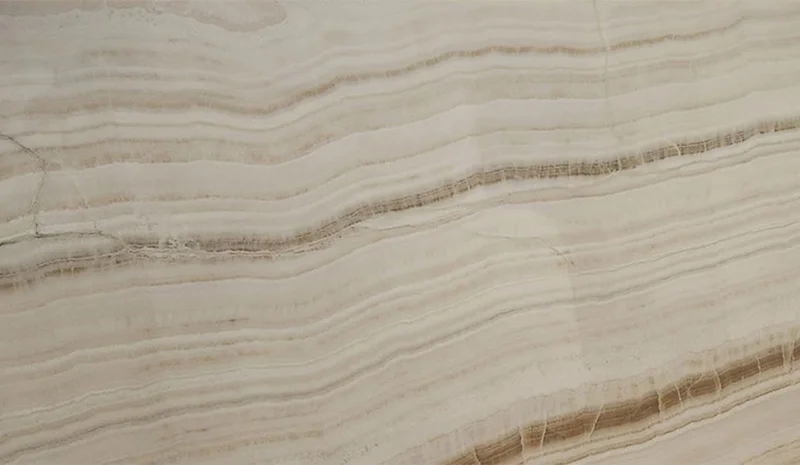
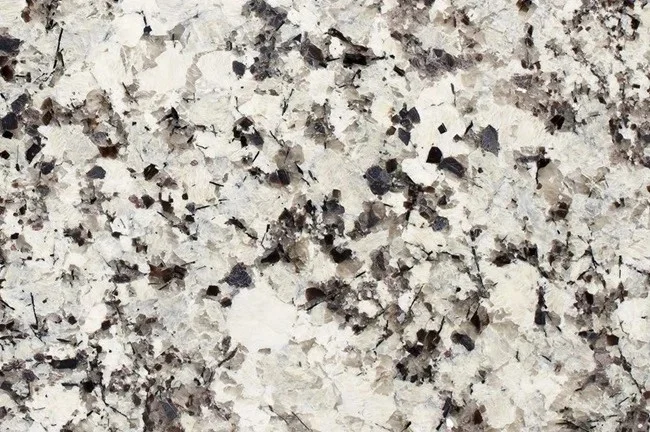
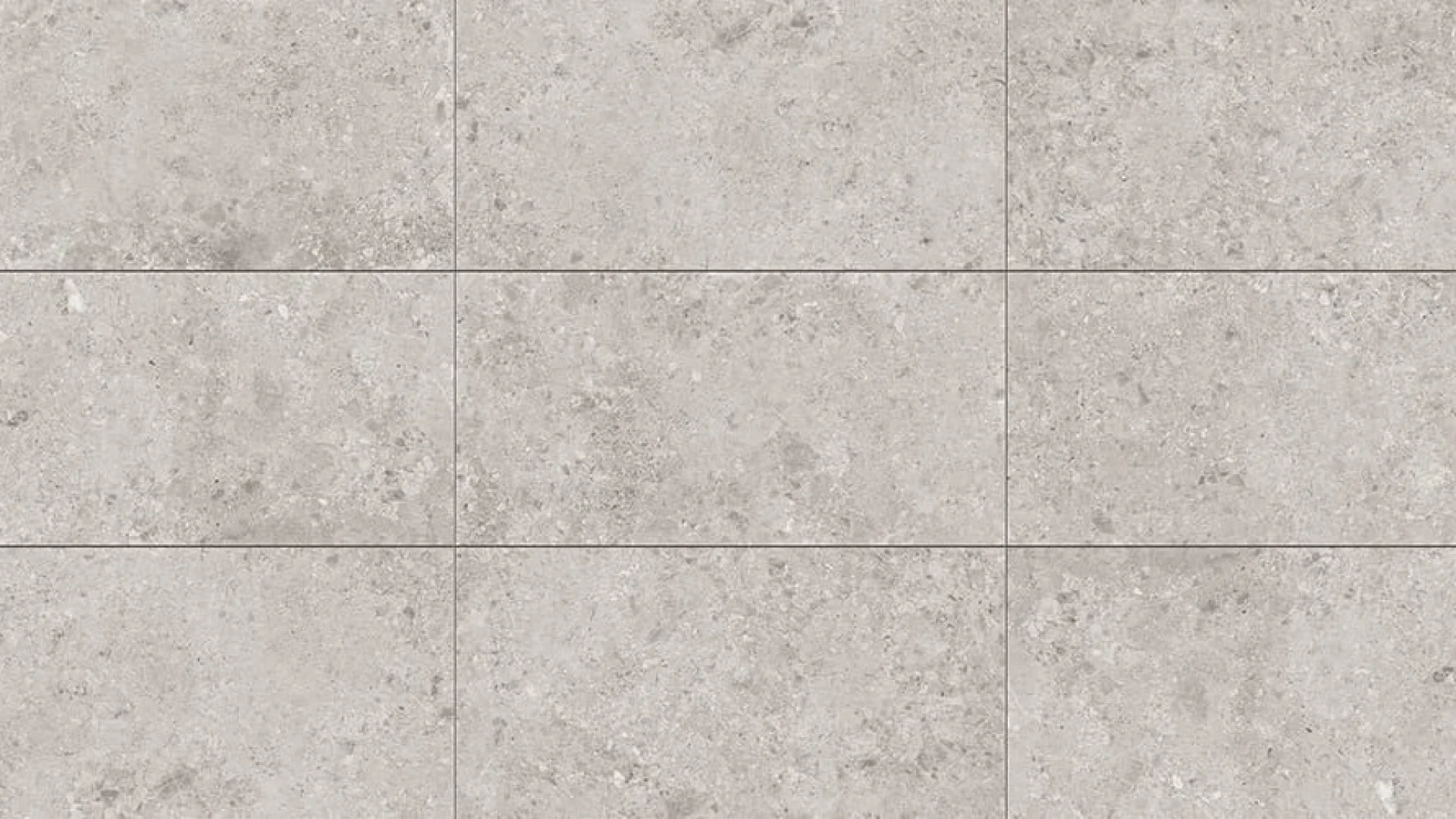
Holanta Dolomite is defined by a very light grey background with subtle white undertones. This neutral coloration allows the stone to integrate seamlessly into modern and minimalist architectural designs without dominating the overall composition. When applied across large surfaces, the stone supports visual continuity and spatial clarity, making it particularly suitable for projects where simplicity and material harmony are key design principles.
Structural Characteristics and Performance
Dolomite stones are known for their relatively balanced crystalline structure. In practice, Holanta Dolomite is often evaluated for its consistent surface behavior, relatively low porosity, and consistent performance when properly processed and installed. These characteristics allow the stone to be considered for a wide range of architectural applications, provided that appropriate surface finishes and installation details are selected according to project conditions.
Surface Finishes and Design Flexibility
One of the defining advantages of Holanta Dolomite stone is its compatibility with different surface finishes. Polished finishes emphasize clarity and refinement, while honed or brushed finishes reveal a more natural and understated texture. This design flexibility enables architects and designers to align the stone with both contemporary and timeless architectural approaches, depending on the desired aesthetic and functional requirements.
Typical Areas of Application
Thanks to its light color and controlled visual variation, Holanta Dolomite is commonly used in interior wall and floor coverings, bathroom and spa environments, staircases, and commercial interior projects that require calm, neutral surfaces. With these characteristics, Holanta Dolomite is often evaluated as a project-oriented natural-stone solution within contemporary architectural concepts.
Considerations When Choosing Dolomite Stone
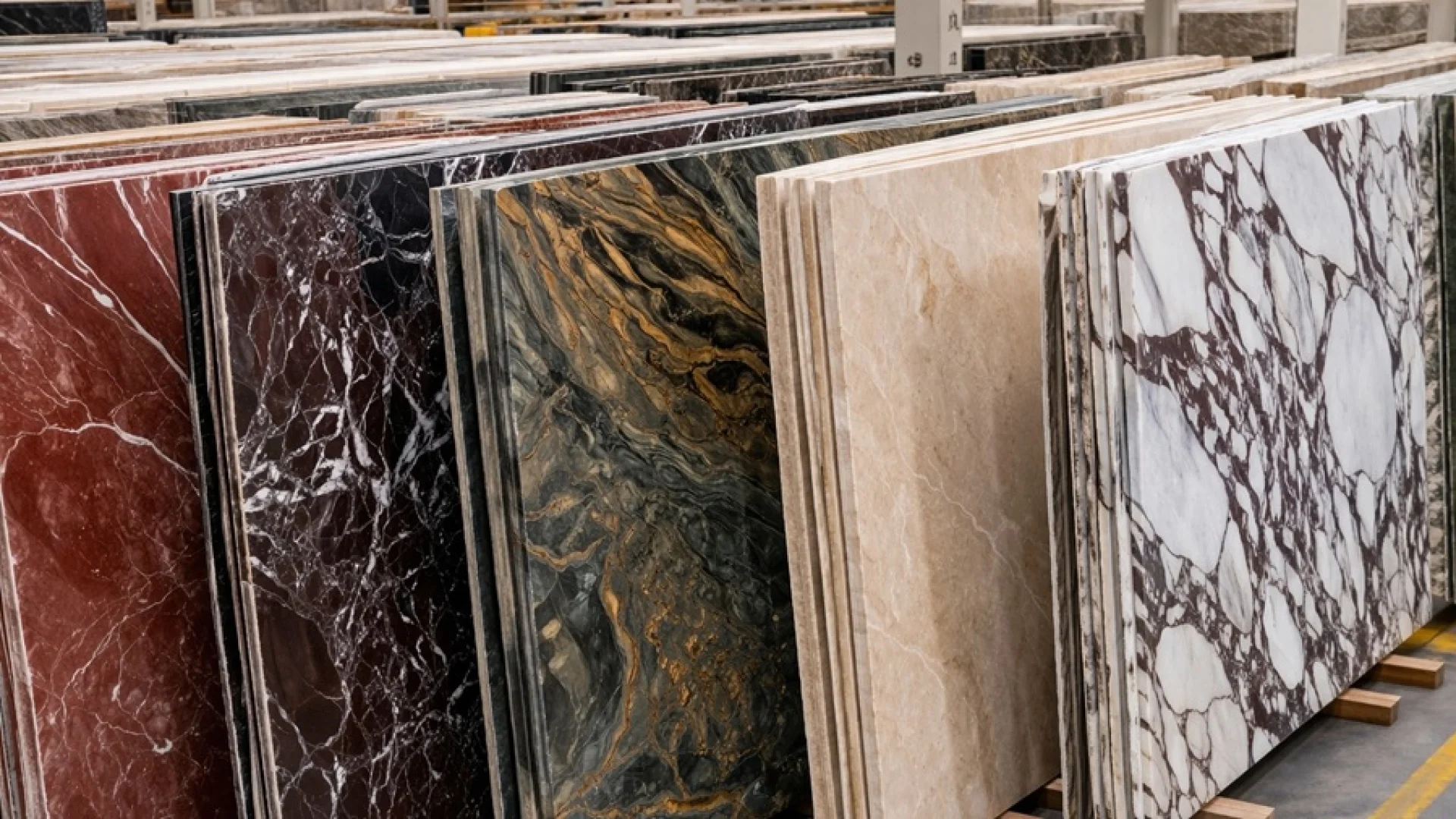
Selecting a dolomite stone involves more than color preference alone. Structural consistency, surface finish quality, and project compatibility play a critical role in achieving long term performance and visual balance. Light toned dolomites such as Holanta Dolomite benefit from thoughtful specification and professional application, ensuring that both aesthetic and functional expectations are met.
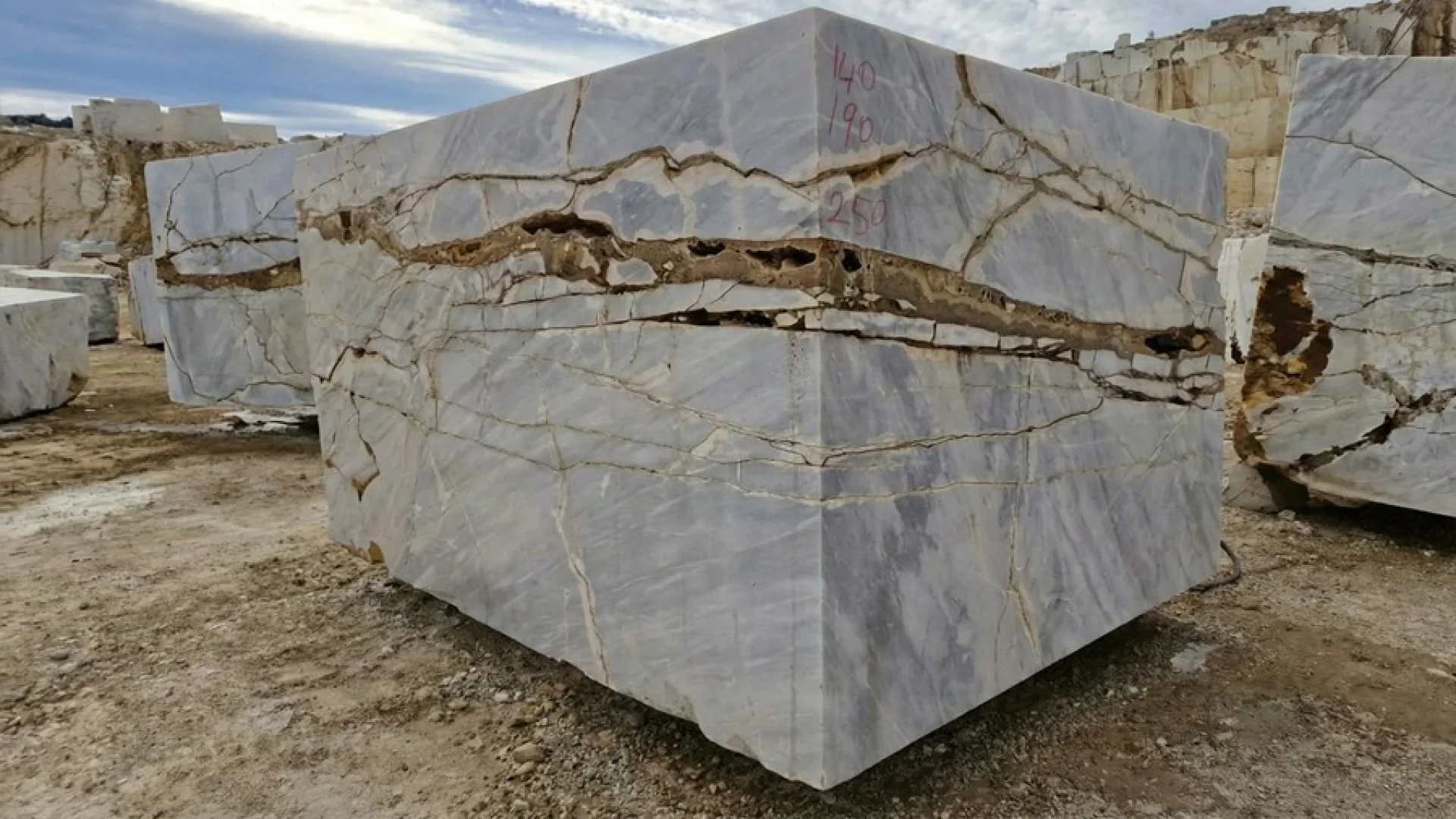
For broader specification from Turkey, see dolomite slabs, tiles and blocks and related editorial material on Rosso Venato Dolomite.
Conclusion
Holanta Dolomite offers a refined balance between simplicity and architectural expression. Its light grey appearance, adaptable surface finishes, and dolomite specific structural qualities make it a strong candidate for modern architectural and interior design projects. When evaluated within a project-based framework and applied with appropriate technical considerations, Holanta Dolomite provides a durable and visually coherent natural stone solution.


