



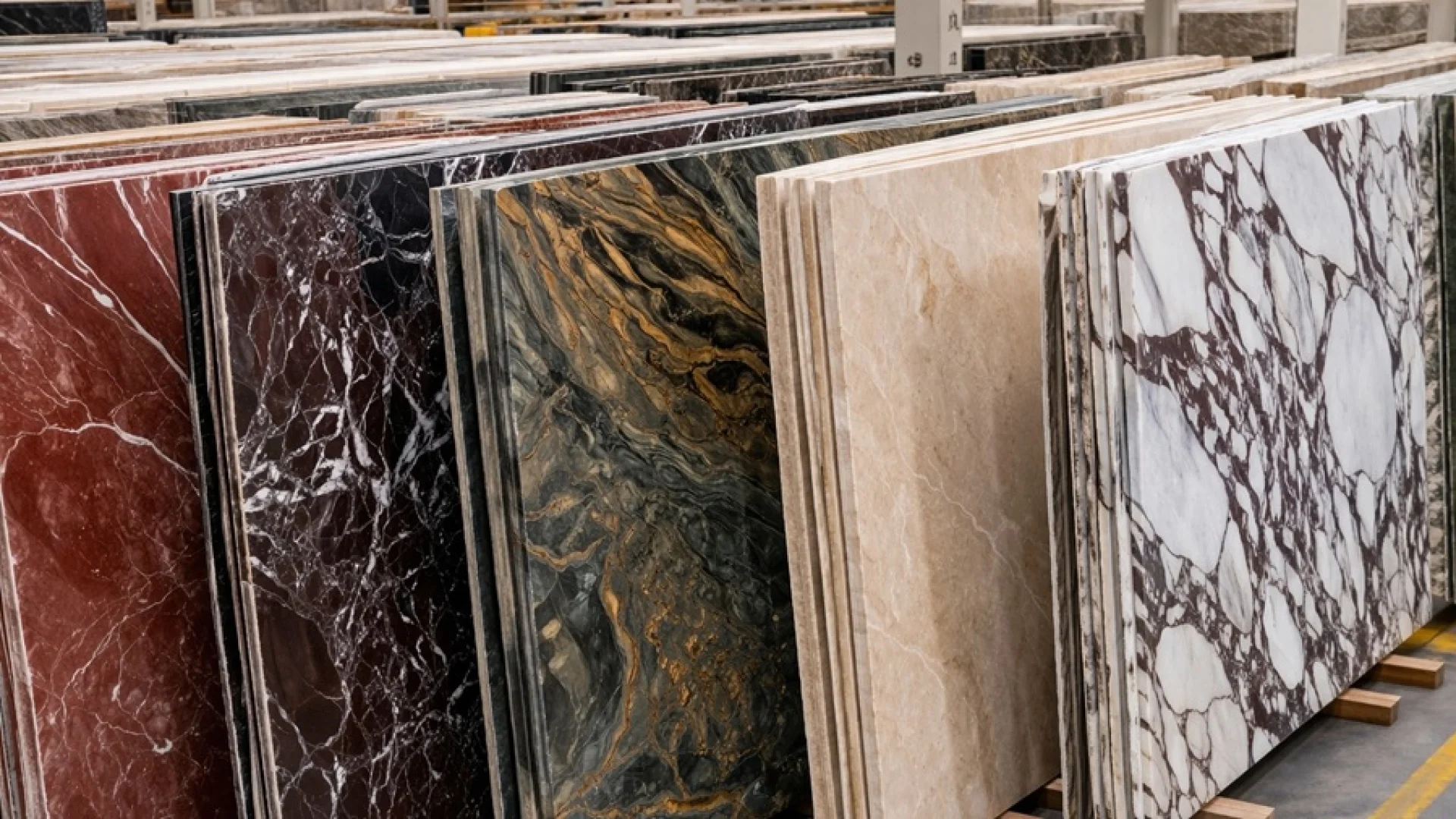
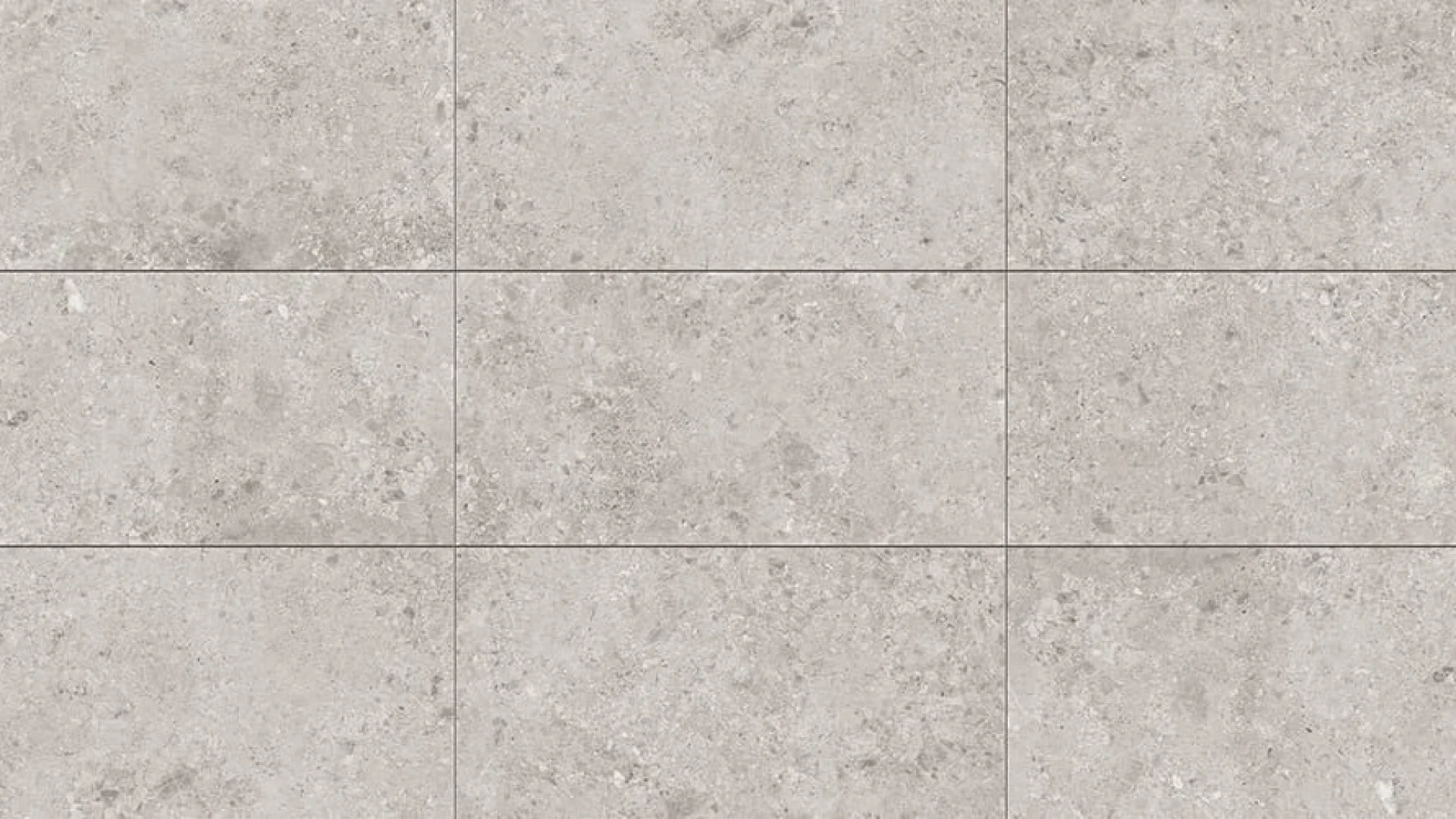

The scale of marble plays a critical role in how architectural space is perceived. While traditional tile-sized applications emphasize repetition and joint patterns, large-format marble slabs fundamentally change the visual reading of a surface.
For large-format marble slabs from Turkey, browse the marble collection and read What Is Marble: Properties and Uses.
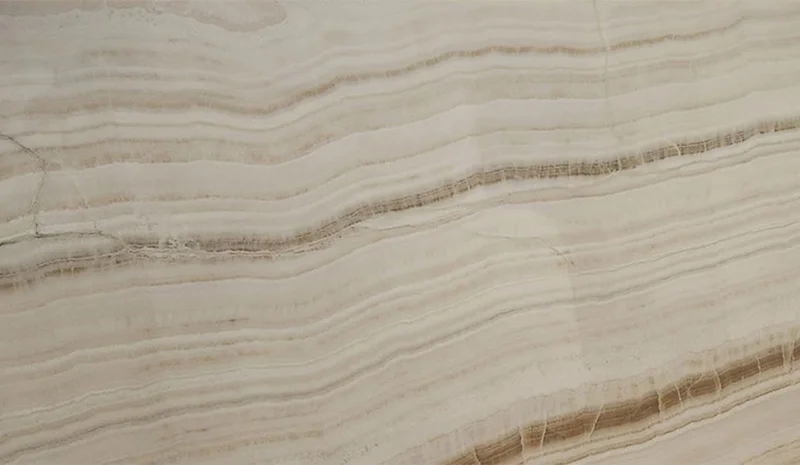
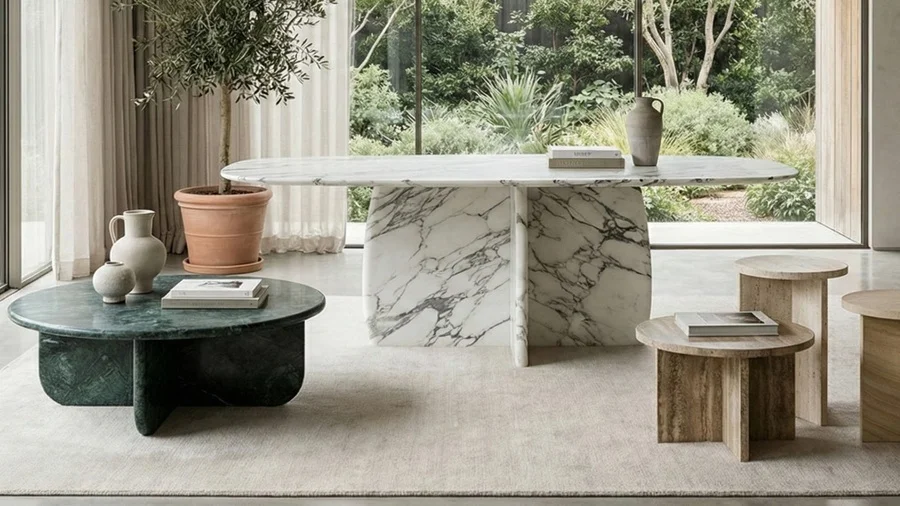
By minimizing joints and interruptions, large slabs allow the stone’s natural structure to remain continuous. Veining reads as a single composition rather than as fragmented elements, creating a calmer and more cohesive spatial impression. This continuity often makes interiors feel larger, more open, and more intentional.
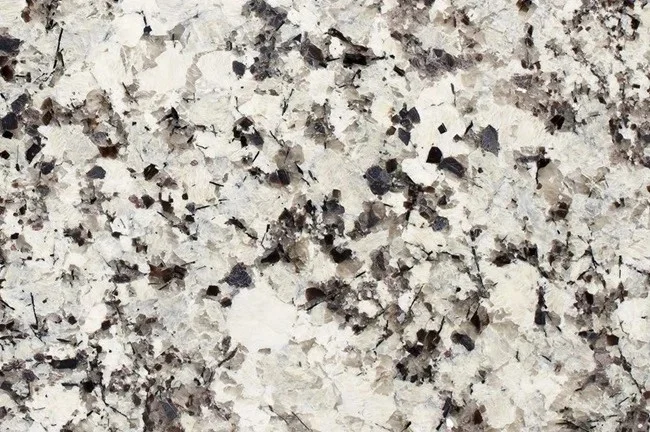
Large marble slabs also shift attention from surface decoration to material presence. Instead of pattern repetition, the eye follows mineral movement, tonal transitions, and scale. This reorientation transforms marble from a decorative finish into a defining architectural layer.
In vertical applications such as walls or feature panels, large slabs reinforce height, proportion, and directional flow. Horizontally, they extend visual continuity across floor fields and thresholds, particularly in open-plan interiors. In both cases, scale becomes a tool that shapes spatial rhythm rather than merely covering surfaces.
The impact of large slabs is not purely aesthetic. Fewer joints reduce visual noise, allowing light to interact more evenly with the stone. This enhances depth, legibility of texture, and material clarity, especially under natural or indirect lighting.
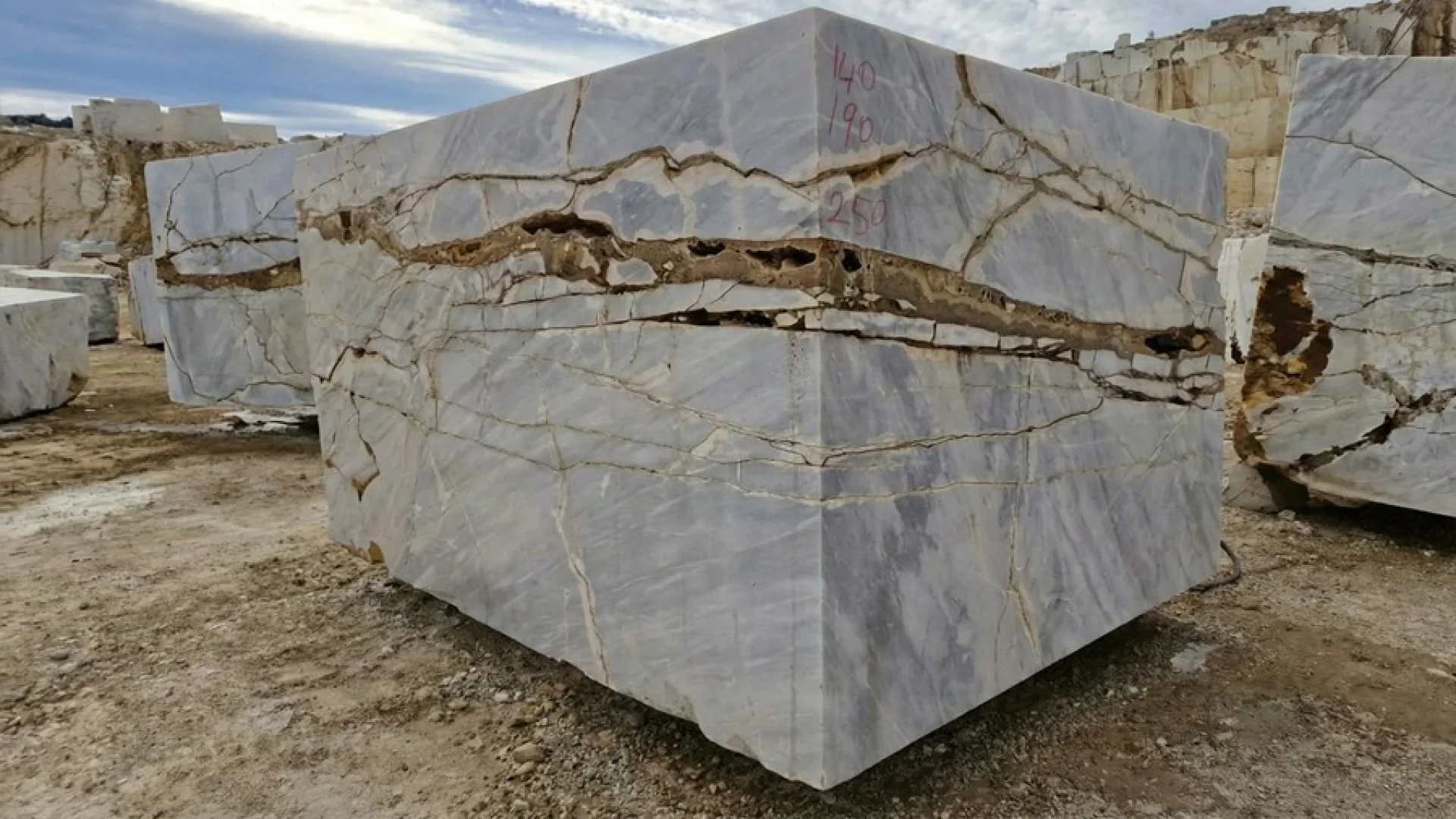
Large-format marble does not simply represent a trend. It reflects a broader shift toward architectural simplicity, material honesty, and spatial clarity, where the stone is experienced as a continuous geological surface rather than a repeated module.


