



Marble selection is often reduced to color and pattern, yet one of the most decisive factors is frequently overlooked: cut direction. Vein cut and cross cut marble can transform the same stone into two entirely different surface characters, directly influencing spatial perception and design outcome.
For vein-cut and cross-cut marble with design context, browse the marble collection and read What Is Marble: Properties and Uses.
What Is Vein Cut Marble
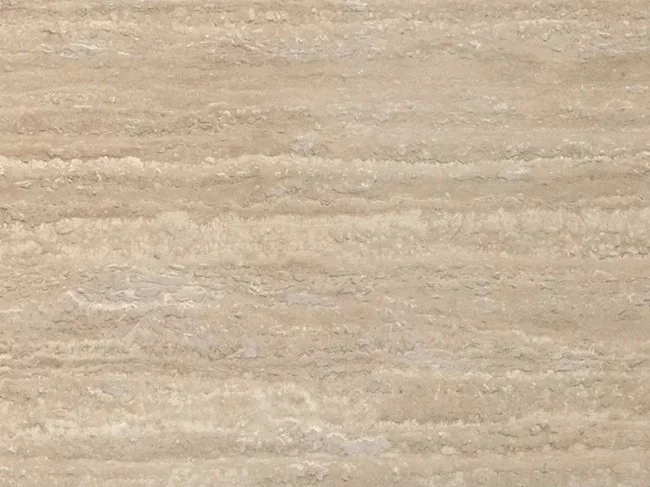
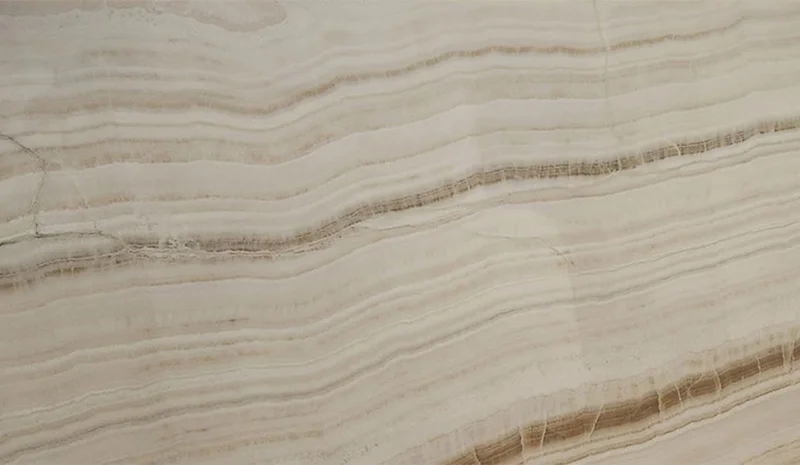
Vein cut marble is produced when stone blocks are sliced parallel to the natural veining. This method emphasizes linear movement and directional flow across the surface. The result is a structured and continuous visual rhythm that often feels calm, ordered, and architectural. Vein cut surfaces work particularly well in spaces where continuity and alignment are important. Long corridors, large wall cladding panels, and expansive floor fields benefit from the visual flow created by vein cut marble.
What Is Cross Cut Marble
Cross cut marble is created by cutting the stone perpendicular to its veining. This reveals layered, cloud-like, or organic patterns that feel more dynamic and natural. Instead of direction, cross cut emphasizes texture and depth. Cross cut marble is often preferred in spaces where a softer and more expressive surface is desired. It introduces visual variation and movement without relying on strong linearity.
How the Same Marble Looks Completely Different
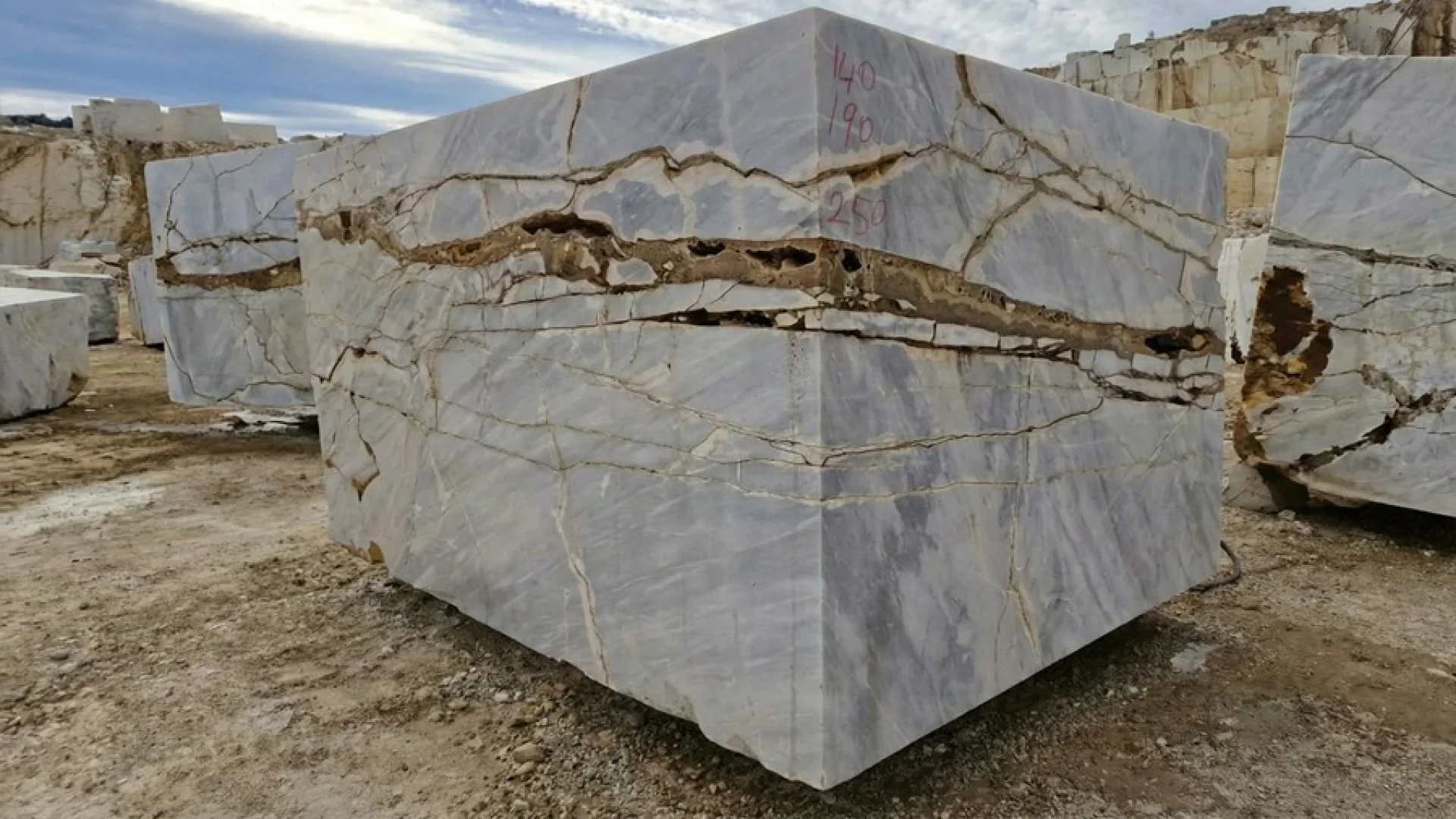
The most striking aspect of vein cut and cross cut marble is that both come from the same block. Color, mineral composition, and origin remain identical, yet the visual outcome changes entirely. A calm grey marble may appear architectural and restrained when vein cut, while the same stone can feel organic and layered when cross cut. This difference explains why marble never reads the same in every application.
How Cut Direction Shapes Spatial Perception
Vein cut marble reinforces direction and scale. It can visually elongate spaces and guide the eye along a surface. Cross cut marble, on the other hand, breaks direction and creates a more balanced and distributed visual field. In large-scale applications, vein cut can strengthen geometry and proportion. In smaller or more intimate spaces, cross cut often feels softer and less imposing.
Which Cut Works Best in Different Spaces
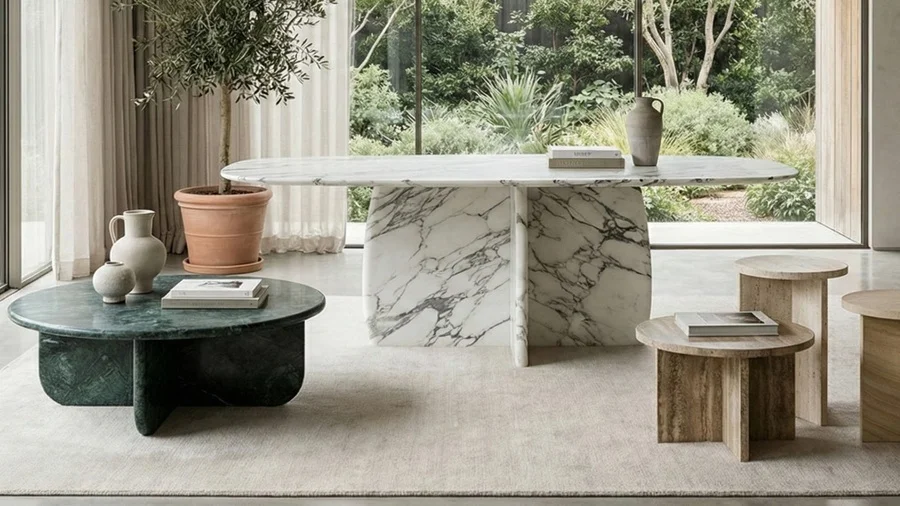
Vein cut marble is commonly specified for wall cladding, large slab applications, and contemporary interiors where structure and rhythm are important. Cross cut marble performs well in bathrooms, floors, and living spaces where warmth and variation are preferred. There is no universally correct choice. The decision depends on spatial intent, lighting conditions, and the desired level of visual movement.
Why Professionals Always Consider Cut Direction
Architects and designers rarely select marble based on color alone. Cut direction is evaluated alongside surface finish, slab size, and installation layout. Small samples are often misleading, as cut direction only becomes fully legible at scale. Understanding vein cut and cross cut allows professionals to control how marble behaves within space rather than leaving the final result to chance.
Choosing Marble With Intention
Selecting marble is not simply about aesthetics. It is about understanding how material, light, and space interact. Vein cut and cross cut are tools that allow designers to shape atmosphere, movement, and perception. When cut direction is chosen intentionally, marble becomes more than a surface. It becomes an architectural element that defines how a space is experienced.


